Introduction to Home EV Charging Stations
The popularity of electric vehicles (EVs) has skyrocketed in recent years, thanks to growing environmental concerns and technological advancements. But to enjoy the benefits of owning an electric car, one crucial component is often overlooked: the home EV charging station.
A home charging station enables owners to conveniently recharge their electric vehicle at home. Unlike public stations, which may be far from your home or workplace, a private charger provides consistent, immediate access to power. Home chargers are designed to be easy to use, efficient, and, above all, safe.
How Home EV Charging Stations Work
Home EV charging stations function similarly to any other household appliance. They draw electricity from your home’s electrical panel and deliver it to your EV’s battery.
Understanding Electric Vehicle Charging Levels
- Level 1 Charging: Uses a standard 120-volt outlet. These are slow and typically included with the EV purchase.
- Level 2 Charging: Requires a 240-volt outlet, providing a faster charge well-suited for overnight use.
- Level 3 DC Fast Charging: Rare for home use; offers rapid charging but requires a complex electrical setup.
Types of Home EV Charging Stations
1. Wall-Mounted Charging Stations
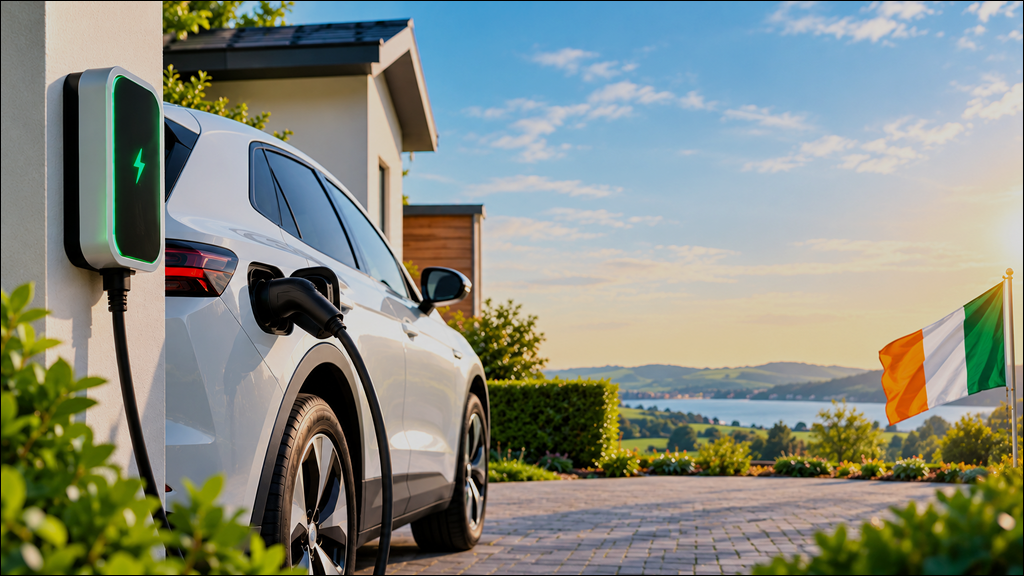
These are fixed, reliable units permanently installed in a garage or on an exterior wall.
- Advantages: High convenience (always ready), faster Level 2 charging, and space-saving aesthetics.
- Drawbacks: Requires professional installation and lacks flexibility if you move.
2. Portable EV Chargers
Flexible units that can be plugged into standard outlets or 240-volt outlets with adapters.
- Advantages: Highly portable for trips and requires no professional installation.
- Drawbacks: Slower charging times (usually Level 1) and more prone to wear and tear.
3. Smart Home EV Charging Stations
The latest innovation, connecting to Wi-Fi to allow remote monitoring via smartphone apps.
- Advantages: Optimized charging for off-peak hours, remote start/stop, and energy usage tracking.
- Drawbacks: Higher upfront cost and dependency on a stable Wi-Fi connection.
4. Solar-Powered EV Charging Stations
For homes with existing solar arrays, these units pull power directly from the sun.
- Advantages: Zero-emission charging and long-term energy independence.
- Drawbacks: Very high initial setup cost and weather dependency.
5. Plug-and-Play Charging Stations
Simple, no-frills chargers that plug directly into existing wall outlets.
- Advantages: Most affordable option and zero installation required.
- Drawbacks: Limited features and very slow charging speeds.
The Installation Process
Assessing Electrical Requirements
Before installing, check if your electrical panel can handle the load. Level 2 chargers require a 240V circuit, which may necessitate a service upgrade.
Hiring a Licensed Electrician
For safety and compliance with local building codes, always hire a professional. They ensure the wiring is rated for the continuous load of an EV.
Costs and Incentives
While costs vary by setup, many governments offer rebates or tax credits to offset the purchase and installation of home charging equipment.
Benefits of Home Charging
|
Convenience
|
Wake up every morning with a “full tank” without visiting a station. |
|
Cost Savings
|
Home electricity rates are significantly lower than public charging fees. |
|
Sustainability
|
Easily integrate with renewable energy sources like solar. |