Key Takeaways
- Yes – turning lights off almost always saves energy and money, even in July, when daylight hours are at their longest.
- Modern LED bulbs use very little power individually, but leaving several lights on unnecessarily – hallways, porches, garden lighting – still adds up over a full month.
- The idea that switching lights on and off uses more electricity than leaving them on is a myth for LEDs and other modern bulbs; the startup surge is tiny and lasts milliseconds.
- Lighting is usually a smaller share of a summer energy bill than fridges, fans and air conditioning, but smart lighting habits remain an easy, no-cost win.
Introduction: Why Turning Lights Off Still Matters in July
With daylight lasting well into the evening across Ireland this July, and energy prices still elevated since 2022, many households are naturally spending more time outdoors, from garden dinners to late walks, while quietly wondering whether it is even worth switching lights off at all.
It is also a season when interest in solar panels for homes tends to rise, as homeowners look for ways to make the most of long, bright days and reduce their reliance on the grid.
One of the most common questions we hear every summer is simple: does turning off lights really save energy when they are only switched on for a few hours a day? The honest answer is yes, and correcting a few persistent myths around lighting is one of the easiest, no-cost ways to trim a household electricity bill.
This guide separates fact from fiction, walks through some simple calculations, and shows exactly where lighting fits into the bigger picture of home energy efficiency.
Myth vs Fact: Does Switching Lights On and Off Use More Electricity?
A myth that refuses to die is the idea that constantly switching lights on and off uses more electricity than simply leaving them running. For LED lights and virtually all modern bulbs, this simply is not true.
- The startup surge for an LED lasts milliseconds and is negligible compared with even a single minute of normal use.
- Example: leaving a 9W LED on for a full 8-hour evening uses roughly 72Wh, whereas switching it off for 6 of those hours and using it for only 2 uses around 18Wh, a clear and consistent saving.
- Older fluorescent tubes from the 1980s and 1990s could see their lifespan shortened by frequent switching, which is likely where this myth originated, but it simply does not apply to modern LED technology.
In short, if you are leaving a room, switch the light off. There is no meaningful wear-and-tear penalty with modern bulbs, and the energy saved is real.
How Much Energy Do Lights Really Use?
In July 2026, Dublin enjoys around 16 to 17 hours of daylight, which naturally reduces how long lights need to be on in most homes. Even so, the hours after dusk still add up.
- A home with ten 9W LED bulbs used for 4 hours each evening consumes roughly 1.08kWh a day, or about 33.5kWh across a month.
- A home leaving two outdoor or hallway lights on all night, around 10 hours, adds a further 3.6kWh a day, or roughly 111kWh a month if left unchecked.
- At a realistic Irish unit price of around €0.32 per kWh in 2026, that unnecessary all-night habit alone could add roughly €35 a month to a bill.
Lighting typically makes up around 8 to 15% of a home’s electricity use. It is rarely the single biggest cost, but it is one of the easiest to trim without any loss of comfort, even during the brighter summer months.
LED Lights vs Old Bulbs: Where the Real Savings Come From
Incandescent, halogen, compact fluorescent (CFL) and LED bulbs vary hugely in both power draw and lifespan, and this is where the bulk of long-term lighting savings actually comes from.
- A 60W incandescent bulb can typically be replaced by a 9W LED for similar brightness, a reduction of around 85% in energy use per bulb.
- Used for 3 hours a day, that single swap can save roughly €18–€20 a year per bulb at current Irish electricity prices, and considerably more across a whole house.
- Switching to LED lighting is a one-off change that keeps saving energy every month, regardless of how good you are at remembering to switch lights off.
- Modern warm-white LEDs suit living rooms and bedrooms comfortably, putting to rest the old complaint about harsh, cold-blue LED light.
- Retrofit LED bulbs and kits exist for almost all common fittings, so upgrading rarely means replacing lamps or light fixtures.
Should You Ever Leave Lights On All the Time?
There are situations where people deliberately leave lights on: a porch light for security, a hallway light for children, or signage for a home business. It is worth asking whether these habits are actually necessary.
In almost no ordinary domestic situation does it make sense to leave standard room lighting on continuously, even with efficient LEDs installed.
- For security or outdoor lighting, motion sensors or timers achieve the same goal while using a fraction of the electricity.
- For children, a low-wattage night light is a far more efficient alternative to a full ceiling light left on overnight.
- Smart home schedules can ensure lights default to off, removing the need to rely on memory alone.
Leaving equipment permanently powered makes far more sense for essentials such as routers or fridges than it does for ordinary lighting, particularly for anyone genuinely trying to save energy and money.
Busting Popular Summer Energy Myths Beyond Lighting
Lighting myths are far from the only misconceptions doing the rounds in July. A few others are worth clearing up alongside them.
Myth: fans use more electricity than they are worth. In fact, a standard fan costs a fraction of what air conditioning does to run, often just a few cent per hour, making it one of the cheapest ways to stay comfortable.
Myth: solar panels only save money in hot weather. In reality, PV panels generate electricity on any bright day, including cool, overcast ones, and perform strongly throughout the Irish summer regardless of temperature.
Myth: double glazing only matters in winter. Good glazing also slows summer heat gain, helping rooms stay cooler for longer and easing the load on fans or air conditioning.
For a broader look at how all these pieces fit together, see our Ultimate Guide to Saving Energy at Home, which covers heating, cooling, appliances and lighting in one place.
Practical Tips: Lighting and Whole-Home Energy Efficiency
A few simple habits, applied consistently, make a real difference across a July electricity bill.
- Switch lights off whenever you leave a room, even if it is only for 5 to 10 minutes.
- Make the most of long daylight hours by opening curtains fully and positioning desks or reading chairs closer to windows.
- Use task lighting, such as a desk or reading lamp, instead of lighting an entire room in the evening.
- Upgrade remaining bulbs to LED, including outdoor and porch fittings, for a lasting reduction in energy use.
- Use blinds or light-coloured curtains during the day to reduce heat gain, easing reliance on fans or air conditioning.
- Check door and window seals and glazing to keep unwanted heat out and cooled air in.
It is also worth reviewing smart meter or in-home display data for a typical July week to see exactly when electricity use peaks, then adjusting lighting habits accordingly. For more on cutting consumption from everyday appliances, see our companion article, Is It Better to Unplug Appliances? What Actually Saves Energy for July.
When Solar Panels and Efficient Windows Outperform Turning Lights Off
Turning lights off is essential good practice, but larger investments can dwarf those savings over the lifetime of a home.
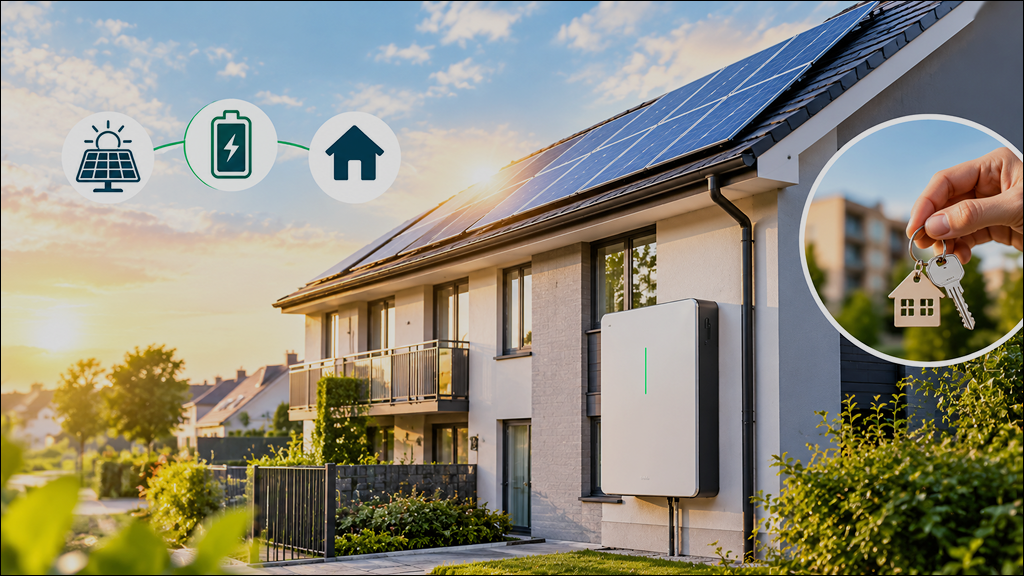
Rooftop residential solar panels can offset much of a home’s daytime lighting and appliance use on sunny July days, often generating more electricity than the household actually consumes during daylight hours.
Double glazing, loft insulation and draught-proofing reduce both winter heating loss and summer cooling loads, improving overall energy efficiency year-round rather than only in one season.
- Consistently turning lights off each day: modest, ongoing savings with zero upfront cost.
- Upgrading a whole house to LED: a moderate one-off cost with steady monthly savings for years.
- Installing a typical 4kWp solar PV system or new double glazing: a larger upfront investment, but one that can transform a home’s running costs over its lifetime.
The most sensible approach is to do the free things now, such as switching off lights and adjusting habits, while planning the bigger upgrades for when budget allows.
FAQ: Turning Lights Off, Energy Saving and Summer Bills
A few final questions worth covering, on some of the practical edge cases that come up most often.
Is it worth turning off LED lights if I’m leaving the room for only a few minutes?
Yes. For LEDs and most modern bulbs, it is almost always worth switching off, even for 2 to 3 minutes, since there is no meaningful wear-and-tear penalty. A simple rule of thumb: if you are leaving long enough that you might forget the light is on, switch it off.
Do dimmer switches actually save energy with LED lights?
Modern, LED-compatible dimmers can reduce power use when lights are dimmed, sometimes by 20 to 40%, but older dimmers designed for incandescent bulbs may simply waste the difference as heat. Always check that both the bulbs and dimmer are designed to work together to see a genuine saving and avoid flickering.
Is it better to leave a porch light on all night or use a motion sensor?
A motion sensor almost always saves more electricity, since the light is only on when someone is actually nearby, rather than running continuously for 6 to 8 hours. Pairing a motion sensor with a low-wattage LED outdoor light gives a good balance between security and energy saving.
How much can I realistically cut from my energy bill just by managing lights?
As a ballpark, a typical home might save 5 to 15% of its lighting costs through better habits, equating to roughly €10 to €40 a year depending on tariffs and current use. It will not halve a bill on its own, but it is an easy, zero-cost measure that amplifies the benefit of other efficiency upgrades.
Do smart bulbs and smart plugs help save energy, or do they use more electricity?
Smart bulbs and plugs do draw a small amount of standby power, but they typically still save energy overall by ensuring lights switch off automatically when not needed. The real gains come from actually using schedules, occupancy sensors and remote control features, rather than leaving lighting to run on habit alone.