Yes – unplugging so-called “energy vampires” does genuinely save energy, but in an Irish July, most of the savings on your bill still come from how you manage hot water, the fridge and freezer, and any big appliance you run, not from chasing down every charger. Standby power is real and worth tackling, but it sits alongside bigger, steadier loads, and increasingly, alongside the savings available from solar panels for homes.
Key Takeaways
- Yes, unplugging “energy vampires” does save energy, but in an Irish July most of your savings still come from managing hot water, the fridge and freezer, and any big appliances you run, not from chasing every charger.
- Standby power typically accounts for roughly 5–10% of a home’s electricity use; unlike hot climates where air conditioning dominates a summer bill, most Irish homes have no AC, so hot water and big appliances remain the bigger July targets.
- Grouping multiple devices onto a single power strip (TV setup, home office gear, chargers) is far easier than unplugging items one by one, and delivers most of the same benefit.
- Fridges, freezers, and anything providing heating, cooling or safety functions, such as a heat pump or smart thermostat, should stay plugged in; focus your unplugging effort on smaller, non-essential devices instead.
- July is a good month to combine unplugging habits with other quick wins, such as hot water settings, shading sunny rooms, and efficient laundry habits, for a noticeable dip in your bill.
Is It Really Worth Unplugging Appliances in July?
Unplugging devices does save energy, but how much it’s actually worth to you depends on current Irish electricity rates and how many devices you leave plugged in around the clock.
- Example: an older cable or set-top box drawing around 8W in standby uses roughly 70 kWh a year, which costs in the region of €24–€25 a year at a typical 2026 Irish unit rate of around 35c/kWh.
- A cluster of 10 similar low-power “energy vampires” left plugged in continuously can add somewhere in the region of €100–€150 a year to your electricity bill.
- By comparison, running an immersion heater to fully heat a hot water cylinder, or using a tumble dryer regularly through a typical July week, can add far more to a single month’s bill than any number of idle chargers.
- Unplugging is most worthwhile for devices that sit idle most of the day, such as TV hubs, office equipment, and chargers, and far less critical for anything used constantly or needed for safety.
How Much Electricity Do Appliances Use When Turned Off?
“Phantom” or standby power is the electricity a device uses while switched “off” but still plugged in, typically somewhere between 1 and 15 watts per device.
- Game consoles in rest mode: roughly 10–15W. Smart TVs: roughly 2–10W. Cable or satellite boxes: roughly 5–20W. Smart speakers and routers: roughly 3–8W. Always-on displays, such as a microwave clock: roughly 1–3W.
- As a rule of thumb, standby loads can represent around 5–10% of a typical home’s monthly energy use, or somewhere in the region of €10–€25 on a busy July electricity bill.
- It’s the combination that matters most: 15 devices drawing 5W each add up to 75W, or 0.075kW; run continuously across 31 July days, that’s roughly 56 kWh for the month from standby alone.
- That 56 kWh works out to somewhere around €19–€20 at a typical 2026 unit rate, just from devices nobody is actually using.
Which Appliances Actually Save You Money When Unplugged?
Some devices save you far more than others when unplugged, so it pays to prioritise rather than trying to unplug everything in the house.
- Entertainment clusters: TV, streaming box, soundbar and games console together can draw a noticeable standby load; switching off the whole group at the wall might save somewhere in the region of €3–€5 a month.
- Home office gear: desktop computers, monitors and printers left on standby add up similarly, especially if more than one person works from home.
- Kitchen gadgets with clocks or timers, such as microwaves and coffee machines, draw a small but constant trickle of power around the clock.
- Chargers for phones, laptops and electric toothbrushes use very little individually; a few idle chargers together might only save under €1 a month, but it’s still worth grouping them onto one strip for convenience.
- Anything with a remote control, an LED display, a clock, a “quick start” feature, or an external power brick is almost certainly drawing standby power and is worth adding to your unplugging list.
What Should You NOT Unplug in Summer?
Not every appliance should be unplugged – some are designed to run continuously, or protect food, comfort or safety, especially through warmer July weather.
- Fridges and freezers must stay plugged in at all times; switching them off risks food spoilage and actually increases energy use overall, since the compressor has to work harder to cool back down each time.
- Heat pumps, smart thermostats, and any air conditioning or cooling unit you do have should stay connected; switching them off completely can let humidity build up and makes the system work harder when it’s switched back on.
- Hot water cylinders and immersion heaters shouldn’t be unplugged or shut down between showers; reheating a tank of cold water from scratch usually uses more energy than keeping it topped up on a sensible schedule.
- Internet routers and set-top boxes can be powered down for a long holiday away, but they generally need to stay on for service reliability, working from home, and any smart home devices that rely on them.
Practical July Energy Saving Tips Beyond Unplugging
In an Irish July, your hot water, fridge and freezer, and any big appliance you run will usually matter more to your bill than standby power alone, so unplugging works best as part of a wider set of habits.
- Most Irish homes don’t run air conditioning, so use what you already have: keep blinds or curtains closed on sunny windows during the afternoon, and use a fan to make a room feel several degrees cooler without raising your electricity use much at all.
- Run heat-producing appliances such as the oven, tumble dryer, or dishwasher in the cooler part of the evening rather than during the hottest part of the day, to keep your home more comfortable.
- For hot water, use cold or 30°C washes for most laundry loads, take shorter showers, and keep your cylinder thermostat around 60–65°C – enough to stay safe from legionella risk without wastefully overheating the tank.
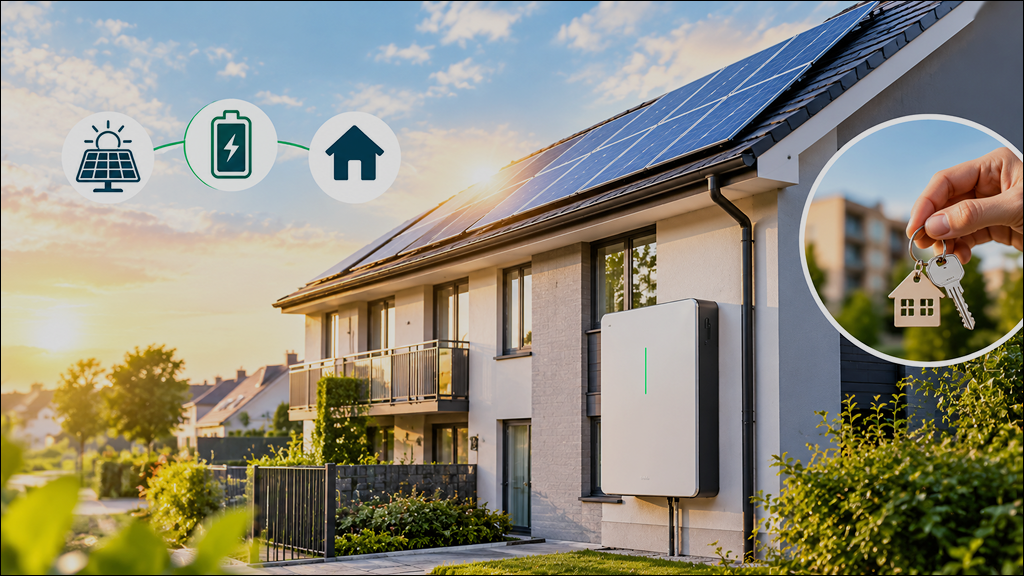
- If you already have residential solar panels, running the dishwasher, washing machine, or charging devices during the brightest part of the day uses free, self-generated electricity instead of paying for power from the grid.
- Switch to LED bulbs, use a single switched power strip for multi-item media centres, and make the most of long July daylight hours instead of switching lights on early in the evening.
How to Make Unplugging Appliances Easy (and Actually Do It)
Constantly pulling individual plugs is inconvenient in a real, busy household, so it helps to set up a system rather than relying on willpower alone.
- Group multiple devices onto a single surge-protected power strip, such as TV plus streaming box plus soundbar, or computer plus monitor plus printer, so one switch cuts power to several “energy vampires” at once.
- Smart plugs and smart power strips can schedule off-hours automatically, for example cutting power to home office equipment overnight, and let you see exactly how much electricity individual devices are using.
- Set up a central charging station for phones, tablets and laptops, then get into the habit of switching the whole strip off once everything is fully charged, rather than leaving chargers live all night.
- Pick 2–3 zones in the house, such as the living room media unit, the home office, and a guest room, and make “last one out hits the switch” part of the nightly routine, rather than trying to unplug the entire house.
How to Check Your Own Home’s Standby Energy Usage
Real numbers from your own home are far more useful than national averages, and July is a good time to check, since overall usage is easier to read without winter heating in the mix.
- Use a plug-in electricity usage monitor: plug it into the wall, plug the appliance into the monitor, then record the standby watts and kWh used over a full day.
- Smart plugs with built-in energy monitoring let you see exactly how much power TVs, games consoles, or dehumidifiers draw when idle through the summer.
- Check your smart meter or supplier app late at night, after lights and any cooling devices are off; whatever consumption remains is largely your home’s “baseload” from the fridge, router, and standby power.
- Measuring real devices, rather than guessing, lets you prioritise the biggest actual savings opportunities in your own home, rather than following generic advice.
Unplugging is just one piece of a bigger picture. For the full strategy – heating, hot water, insulation and solar – see our Ultimate Guide to Saving Energy at Home.
FAQ
Is it better to turn a device off at the wall or fully unplug it?
- In most modern homes, switching a device off at the wall or on a power strip stops the electricity flow just as effectively as unplugging it, as long as the switch and strip are in good condition.
- Fully unplugging is still the most certain way to eliminate standby power completely, and is worth doing before a storm or a longer trip away, for added surge protection too.
- For everyday July energy saving, using switched power strips for groups of devices is usually the most practical approach.
How much can unplugging appliances realistically cut my July electricity bill?
- Most households can expect unplugging and cutting standby power to trim somewhere around 5–10% off their electricity use, which might mean roughly €10–€25 over a typical July bill depending on local rates and how many devices are involved.
- Much larger summer savings tend to come from efficient hot water use and sensible appliance habits rather than from unplugging alone.
- Combining unplugging habits with hot water settings and good appliance use is what produces a noticeable month-over-month drop.
Does frequent unplugging wear out outlets or plugs?
- Normal unplugging, once or twice a day, is well within what outlets and cords are designed to handle and shouldn’t cause significant wear in a typical home.
- If you’re concerned about wear, or have hard-to-reach outlets, it’s better to rely on quality surge-protected power strips and smart plugs as your main on/off points instead.
- Avoid yanking cords by the cable itself; grip the plug body when removing it, to protect both the wiring and the socket.
Should I unplug a portable air conditioning or cooling unit when I’m not using it?
- If you do use a portable AC unit or dehumidifier, it’s usually better to turn it off via its own controls or a smart plug rather than unplugging it repeatedly through the week, especially if you use it daily.
- Unplugging it saves a few watts of standby power, but the bigger savings come from running it efficiently and limiting how long it’s switched on for.
- Once the warmer weather has passed, fully unplugging and cleaning the unit before storing it is good practice for both safety and the small standby saving.
Is it safe to leave chargers plugged in if nothing is attached?
- Most modern, branded chargers draw very little power when idle, often well under 1 watt, but several idle chargers together can still add up a little over a full year.
- Switching off a strip with several chargers attached is a simple way to lower energy use and reduce any minor fire risk, particularly in warmer July weather.
- Pay extra attention to old, damaged, or unbranded chargers, which can run hotter than they should and are worth unplugging when not in use for saf