Compared with an electric shower, tumble dryer or oven, a washing machine is a fairly modest electricity user – most of the cost comes from heating water, not the drum. That’s why households with residential solar panels often find laundry one of the easiest loads to shift onto daytime generation.
A typical modern machine uses about 0.5–1.0kWh per cycle. Usage depends more on wash temperature, cycle length and frequency than on wattage alone.
Key Takeaways
- A typical modern washing machine uses about 0.5–1.0kWh per cycle – moderate next to an electric shower, tumble dryer or oven.
- At around €0.30 per kWh, a 0.8kWh cycle costs roughly €0.24, adding up to €60–€90 a year for an average family.
- Wash temperature, cycle length and frequency matter more than wattage.
- Cooler washes, full loads and efficient models can cut costs by 30–50%.
Do Washing Machines Really Use a Lot of Electricity?
Washing machines use noticeable energy, but far less than electric showers, tumble dryers or ovens. Most of the energy goes on heating water, not the spinning drum. A 900W front-loader on a 60-minute wash uses around 0.9kWh, modest next to a 10-minute electric shower. Frequent hot washes can still show up on the bill, but it’s rarely the biggest electricity user in a home.
How Much Electricity Does a Washing Machine Use per Wash?
- 0.3–0.5kWh for a cold or 30°C eco wash.
- 0.6–0.9kWh for a standard 40°C wash.
- 1.2–1.8kWh for a 60–90°C cotton or hygiene cycle.
An 800W machine on a one-hour cycle uses roughly 0.8kWh; a 1,200W machine uses closer to 1.2kWh. Top-loader versus front-loader design, and the chosen programme, can shift these figures noticeably.
Typical Annual Electricity Use for Different Households
- Single person, 2 washes a week: 80–90kWh a year.
- Couple, 4 washes a week: 160–200kWh a year.
- Family of four, 6–8 washes a week: 250–300kWh or more a year.
At around €0.24–€0.36 per kWh, that’s €20–€30 a year for light users up to €70–€100 for a busy household, more for frequent 60–90°C cycles.
What Affects a Washing Machine’s Energy Consumption Most?
Usage matters more than the brand on the front – mainly water heating and temperature, programme length, load size, spin speed, machine age, and wash frequency.
Heating water accounts for roughly 80–90% of a cycle’s electricity use, making temperature the most important setting. Modern detergents work well at 30–40°C, so most laundry doesn’t need a hot 60°C wash, though occasional hot cycles suit bedding, towels or nappies.
Two half-loads at 0.7kWh each cost more than one full load at 0.9kWh, since the heater and motor use most of their usual energy regardless of load size. Higher spin speeds use slightly more electricity but can cut tumble dryer time afterwards.
How Much Does It Cost to Run a Washing Machine?
Cost per wash = kWh per cycle × electricity price per kWh. At €0.30 per kWh, a 0.8kWh cycle costs about €0.24. An average household washing four to five times a week spends roughly €50–€60 a year.
Check the energy label for kWh per 100 cycles, divide by 100, then multiply by your tariff. An eco 40–60 programme using 52kWh per 100 cycles at €0.30/kWh costs about €0.16 a wash, or €2.50 a month for four washes weekly.
How Do Washing Machines Compare with Other Home Appliances?
Electric showers and tumble dryers often dominate laundry and bathroom electricity use daily. Appliances that heat water or air quickly have power ratings 7–10 times higher than a washing machine motor: a 9kW electric shower versus a 0.8–1.4kW washer means even a short shower can use more energy than a full wash. See Does a Kettle Use a Lot of Electricity? The Real Costs Explained for a smaller kitchen culprit. Tackling high-wattage heating appliances, or shifting them onto solar panels for homes or an off-peak tariff, usually yields bigger savings than the washing machine alone.
How to Reduce Your Washing Machine’s Energy Consumption
- Use 30–40°C washes for everyday laundry – cuts energy use per cycle by up to a third versus 60°C.
- Favour eco 40–60 programmes, often lower-energy than quick, high-heat cycles despite running longer.
- Wash full loads by grouping similar fabrics and colours.
- Use off-peak electricity where available – the same cycle might cost €0.15 off-peak versus €0.28 at peak.
- Keep the machine maintained: a monthly drum clean and clear filter stop limescale straining the heater.
Combining these habits can cut washing-related electricity use by 30–50% over a year.
Do Energy-Efficient Washing Machines Use Less Electricity?
Modern A–G energy labels reflect kWh per 100 standard cycles. Older machines often use 1.3–1.8kWh per wash for a similar load, versus 0.6–0.9kWh for a modern high-efficiency model, which costs more upfront but has lower running costs and often uses less water too.
Work out your current machine’s annual running cost, then divide the extra purchase price of a new one by the annual saving to see the payback period. High laundry volumes typically see faster payback.
Can Solar Panels Help Power Your Washing Machine?
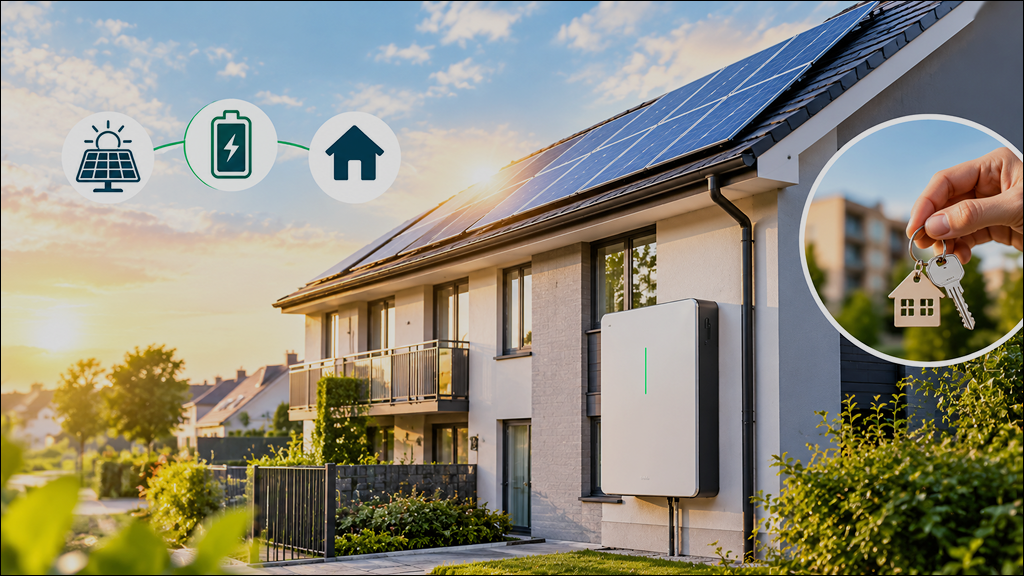
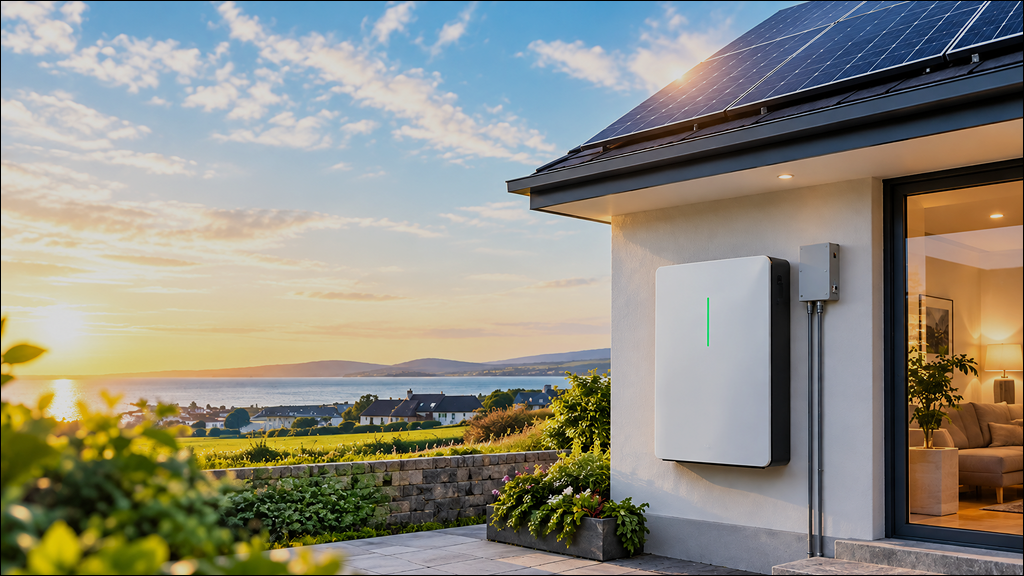
Using residential solar panels to cover daytime energy use is one of the most effective ways to cut the cost per wash. A typical panel produces 350–450W on a sunny day, so a handful can supply a 0.8–1.0kW washing machine during a cycle, either by timing washes for sunny periods or storing surplus generation in a home battery. The same panels also offset other high-demand appliances, so the benefit extends well beyond laundry.
Is the Washing Machine the Appliance That Uses the Most Electricity?
Despite frequent use, a washing machine usually isn’t the largest electricity user in a home – electric showers, tumble dryers, space heaters and older fridges typically use more over a year. Real impact depends on efficiency and how many cycles you run, so it’s worth looking at your whole bundle of appliances, covered in Energy Use of Household Appliances.
FAQ: Washing Machine Electricity Use
Does leaving my washing machine on standby use a lot of electricity?
Modern machines draw very little in standby, often under 1W, sometimes 5–10W on older models. Switching off at the wall saves a little more, but bigger savings come from wash temperature and load size.
Is a cold wash always the best choice for saving energy?
Cold and 30°C washes use the least energy, needing little or no water heating. Reserve 40–60°C for towels or heavily soiled items where hygiene matters.
Can running shorter “quick wash” cycles save more energy?
Not always – quick washes often use higher temperatures and more intensive drum action. Eco cycles use lower temperatures and gentler heating, giving lower total kWh despite taking longer.
How can I tell if my older washing machine is wasting too much electricity?
Check the machine’s age and its original energy label for kWh per cycle. A plug-in energy meter measures real-world use; if it’s much higher than current A-rated models, upgrading could cut running costs meaningfully.
Is it cheaper to wash clothes at night?
Only if you’re on a time-of-use or off-peak tariff – check your bill for night-time rates. On a flat-rate tariff, cost per wash is the same at any hour, so focus on temperature, full loads and cycle choice instead.