Key Takeaways
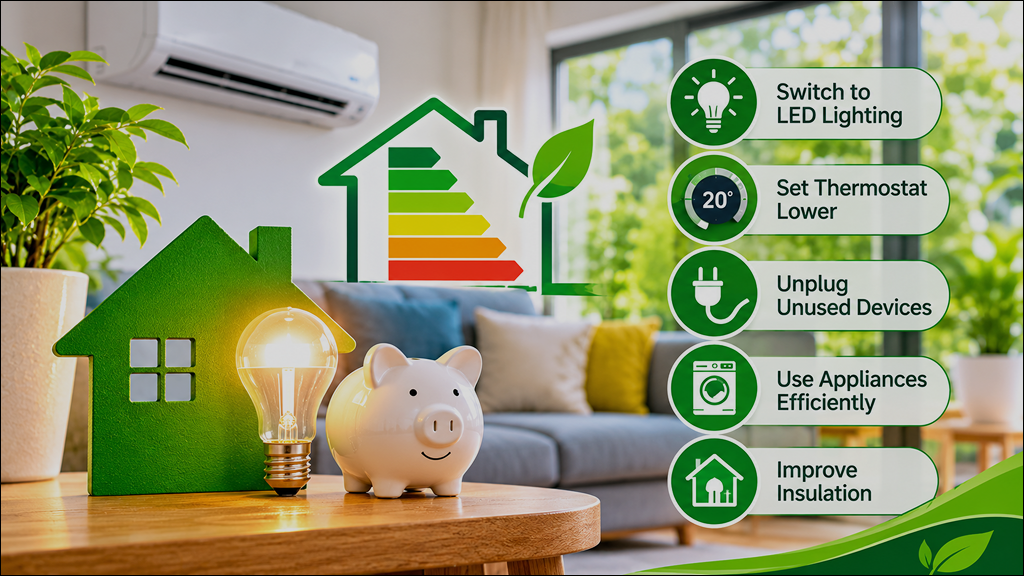
- Start saving energy with quick wins: adjust heating controls, switch to LEDs and turn off standby devices.
- Small daily habits, such as shorter showers, boiling only the water you need and running full loads, can cut household use by hundreds of kWh a year.
- Draught-proofing, insulation and efficient appliances bring long-term savings and comfort.
- Timers, smart thermostats and smart plugs help you heat and power your home only when needed.
- Plan larger upgrades, such as insulation, a heat pump or solar panels, to protect yourself from rising prices.
Introduction: Why Saving Energy at Home Matters
Energy prices across Ireland and Europe have risen sharply in recent years, pushing many household bills well above €1,500–€2,000 a year. Saving energy is now a financial priority, and a well-run home is also warmer, less draughty and kinder to the climate.
This guide moves step by step from free daily habits to longer-term upgrades, with approximate savings for homeowners and renters. If you want a short list to begin with, start with these easy ways to save energy at home.
Smart Heating and Hot Water: Big Wins for Energy Efficiency
Space and water heating make up over 60% of home energy use, so changes here count most.
Lower your combi boiler’s flow temperature. Flow temperature is the temperature of the water your boiler sends to the radiators, not the temperature of the room. Many are left at 70–80°C, but a condensing boiler works most efficiently when water returns cooler. A flow temperature of 55–60°C keeps rooms comfortable and can cut gas use by around 5–8% a year in a typical three-bed home, with no change to your thermostat.
Heat only when needed. Use a timer or smart thermostat to heat the home at set times, for example 06:30–08:30 and 17:00–22:00 in winter.
Zone your home. Turn down radiators in rarely used rooms, keep doors closed and balance radiators so living spaces warm up quickly.
Stop heat escaping. Keep sofas and heavy curtains away from radiators, bleed them once a year and fit reflector panels behind radiators on external walls.
Make hot water efficient. Set your cylinder thermostat to about 60–65°C, fit an 80mm jacket to older tanks and insulate exposed pipes in the hot press and attic.
Use less hot water. Keep showers to four minutes, choose a shower over a bath and avoid running mixer taps on hot when cold will do. Together, these can save around €70–€100 a year.
Everyday Habits: Low-Cost Ways to Start Saving Energy Today
Consistent low-cost habits can trim tens or even hundreds of euro from annual bills.
-
Switch off vampire devices. TVs, consoles, set-top boxes, smart speakers and chargers draw standby power. A smart plug or power strip switches them fully off, saving around €30–€60 a year. Find out whether unplugging appliances makes a real difference.
Light rooms smartly. Turn lights off when you leave a room and replace halogen or incandescent bulbs with LEDs, which use around 75–80% less electricity. We also look at whether turning off lights really saves energy.
Cook efficiently. Put lids on pans, match the pan to the hob ring, batch-cook in the oven, use a microwave or air fryer for small meals and avoid long preheating.
Use the kettle wisely. Boil only the water you need, and descale the kettle regularly.
Set fridges and freezers correctly. Keep fridges at 3–5°C and freezers at −18°C, defrost ice build-up, let hot food cool before chilling it and keep door seals clean.
Wash cooler and fuller. Wash clothes at 20–30°C, run full loads and use eco cycles. Avoid half-load settings, which use nearly as much energy.
Dry without the tumble dryer. Line-dry outdoors, use indoor racks in well-ventilated rooms and spin clothes at higher speeds first.
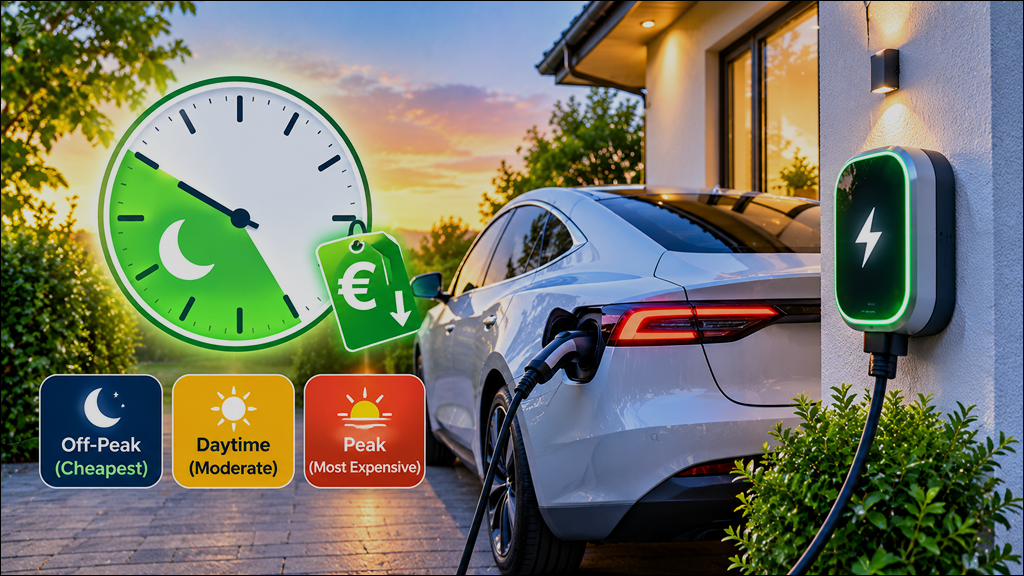
Timing matters too. On a smart tariff, knowing when you save the most energy, day or night helps you run appliances at cheaper hours.
Improving Your Home’s Fabric: Insulation, Draught-Proofing and Upgrades
Upgrading your walls, roof, windows and floors costs more, but it is the foundation of saving energy over the long term. If you are unsure where to begin, look at what wastes the most energy in a house.
Draught-proofing. Seal gaps around windows and doors, fit letterbox brushes, use door draught excluders and block unused chimneys with a chimney balloon.
Curtains and blinds. Close them at dusk in winter, use lined or thermal curtains on single-glazed windows and open them on sunny days to capture free solar heat.
Insulation. Aim for 270–300mm of mineral wool in the attic. Cavity wall insulation suits many homes, while solid walls can take internal or external insulation.
Floors. Seal gaps between floorboards and insulate suspended timber floors from below where you can reach them.
Windows. Double or triple glazing cuts heat loss but costs more. Secondary glazing or window film offers a cheaper option for renters and protected structures.
Grants. SEAI grants can cover a large part of insulation and heating upgrades, so check the current schemes before you start.
Keep ventilating. Never seal a home completely; keep trickle vents open to prevent condensation and damp.
Planning Bigger Energy Efficiency Improvements and Renewable Options
Once the basics are done, larger investments can cut bills and your reliance on fossil fuels substantially.
Upgrade your heating. Heat pumps work best in well-insulated homes. A modern condensing boiler is a sensible replacement for an old G-rated unit, and hybrid systems combine the two.
Improve your BER. A better Building Energy Rating means lower running costs, more comfort and usually a higher resale value.
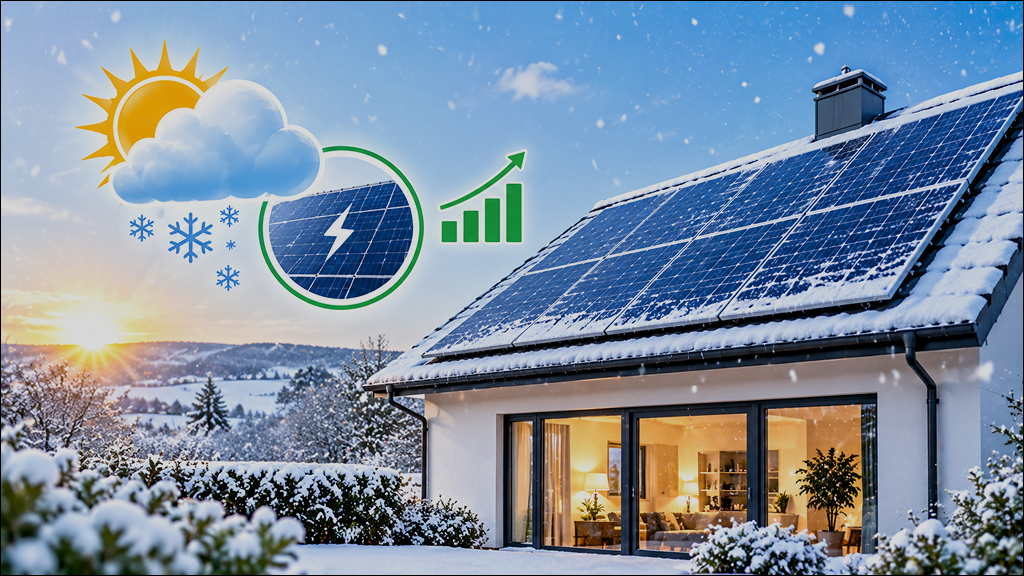
Add solar panels. A typical 3–6 kWp solar PV system offsets daytime electricity use, reduces bills and can earn export payments for surplus power.
Combine technologies. Solar hot water, home batteries and smart EV chargers help you use more of your own renewable electricity.
Make a multi-year plan. Start with an energy assessment, then prioritise insulation and airtightness, upgrade your heating system and add renewables when finances allow.
Every improvement you make now protects your household against future price spikes, and a more efficient home is cheaper, more comfortable and better for the climate.
Frequently Asked Questions
How do I know which energy saving steps will help most in my specific home?
Arrange a professional energy assessment, or use an online calculator that considers your property type, floor area, heating fuel and insulation. Or do a self-audit: note cold spots, your most-used appliances and recent bills, then match them to this guide.
Can renters meaningfully improve energy efficiency if they can’t make major changes?
Yes. LED bulbs, removable draught excluders, radiator reflector panels, smart plugs, careful heating schedules and efficient appliance use all help. Tenants can also ask landlords about low-disruption upgrades, such as attic insulation or a modern boiler, which improve the property’s BER.
Is it worth investing in smart home technology just for saving energy?
Often, yes. Smart thermostats, radiator valves and plugs can pay for themselves within a few years, especially in larger or irregularly occupied homes. Start with simple, compatible devices and use their energy monitoring.
What indoor temperature should I aim for to balance comfort and energy efficiency?
Aim for 18–20°C in living areas when occupied, slightly cooler in bedrooms, and lower set-back temperatures at night or when the home is empty. Try turning your thermostat down by 1°C for a week, as each degree can save several percent on heating energy.
How quickly will I see a difference on my energy bills after making changes?
Behavioural changes, such as shorter showers and switching devices off, can show up on your next bill. Fabric and heating upgrades may take a full heating season to show their impact, but they usually deliver the largest long-term savings.