Introduction to Commercial Solar Panels
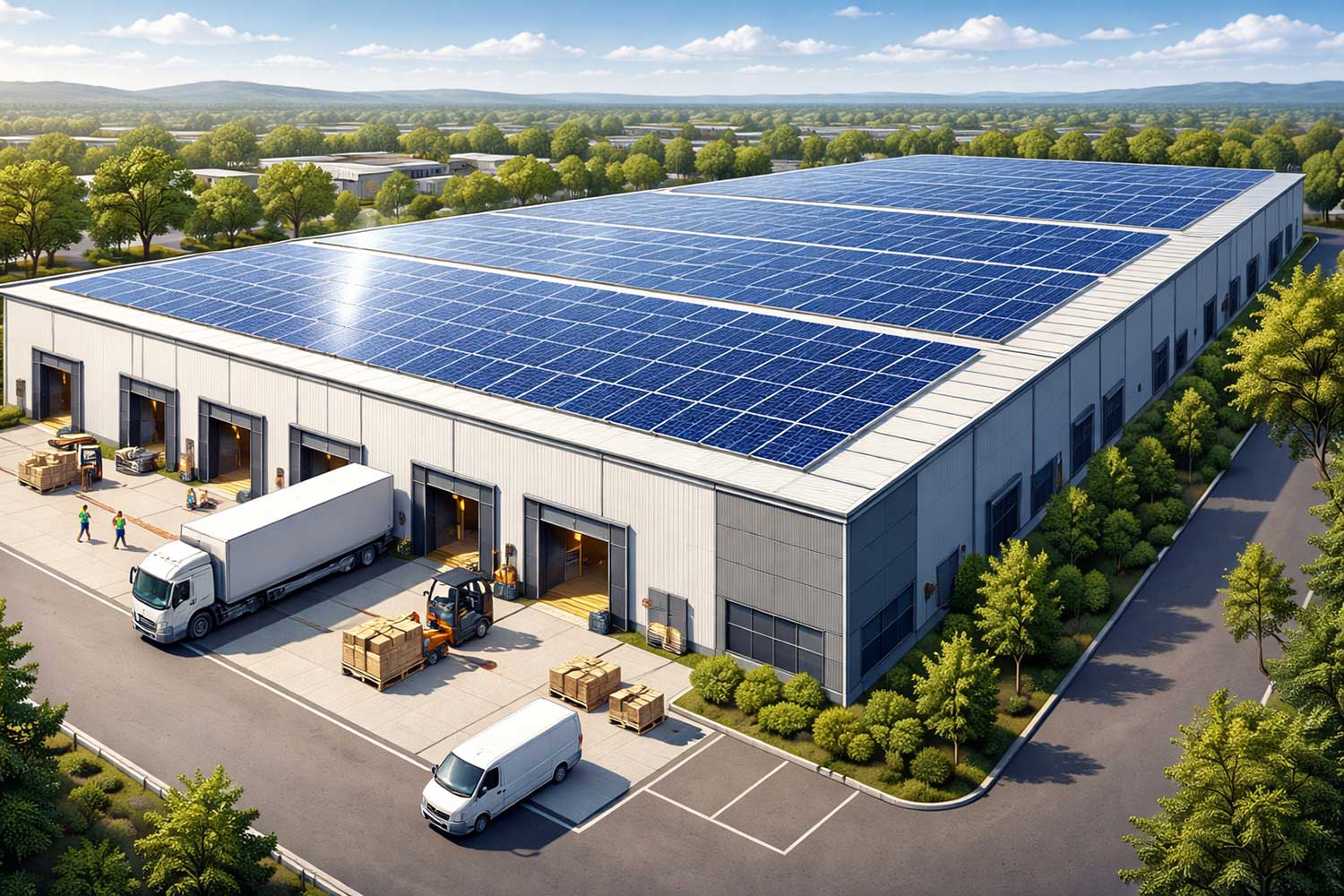
Commercial solar panels are a transformative solution for businesses seeking to reduce operational costs, enhance sustainability, and invest in renewable energy. By harnessing solar power, companies can significantly cut energy expenses and make meaningful contributions to environmental conservation. But is your business suitable for commercial solar panels? Let’s explore the key factors that determine suitability.
Benefits of Commercial Solar Panels for Businesses
1. Cost Savings
Investing in solar panels allows businesses to reduce dependency on traditional energy sources, leading to lower electricity bills. Over time, the savings often offset the initial investment, making solar panels a financially attractive option.
2. Energy Independence
Solar power provides businesses with greater energy independence. By generating your own electricity, you are less vulnerable to fluctuating energy prices and power outages.
3. Environmental Impact
Switching to solar energy is a step toward reducing your carbon footprint. Businesses adopting solar power demonstrate corporate responsibility and align with global sustainability goals.
4. Government Incentives
Numerous grants, tax credits, and subsidies are available for businesses investing in commercial solar power systems, such as Ireland’s SEAI grants.
Factors Determining Suitability for Commercial Solar Panels
1. Available Roof Space or Land
The size and orientation of your roof or land significantly affect the feasibility of a solar installation. Ideal spaces:
- Receive ample sunlight.
- Are free from shading by trees, buildings, or other obstructions.
- Have a south-facing orientation in the northern hemisphere for maximum sunlight exposure.
2. Energy Consumption Patterns
Businesses with high daytime energy consumption stand to benefit most from solar panels. Industries such as manufacturing, retail, and hospitality often have energy needs that align well with solar energy production.
3. Structural Integrity of Roofs
Before installation, assess the structural integrity of your roof. Solar panels are durable but require sturdy roofs to ensure safety and longevity. If your roof needs repairs, address them prior to installation.
4. Financial Readiness
While solar panels offer long-term savings, the upfront costs can be significant. Consider financing options, including:
- Power Purchase Agreements (PPAs)
- Solar leasing
- Loans and grants
Steps to Assess Your Business for Solar Suitability
Step 1: Conduct an Energy Audit
Evaluate your current energy usage to understand your consumption patterns and peak energy demands. This information helps determine the appropriate size and capacity of the commercial solar panel system required.
Step 2: Perform a Site Assessment
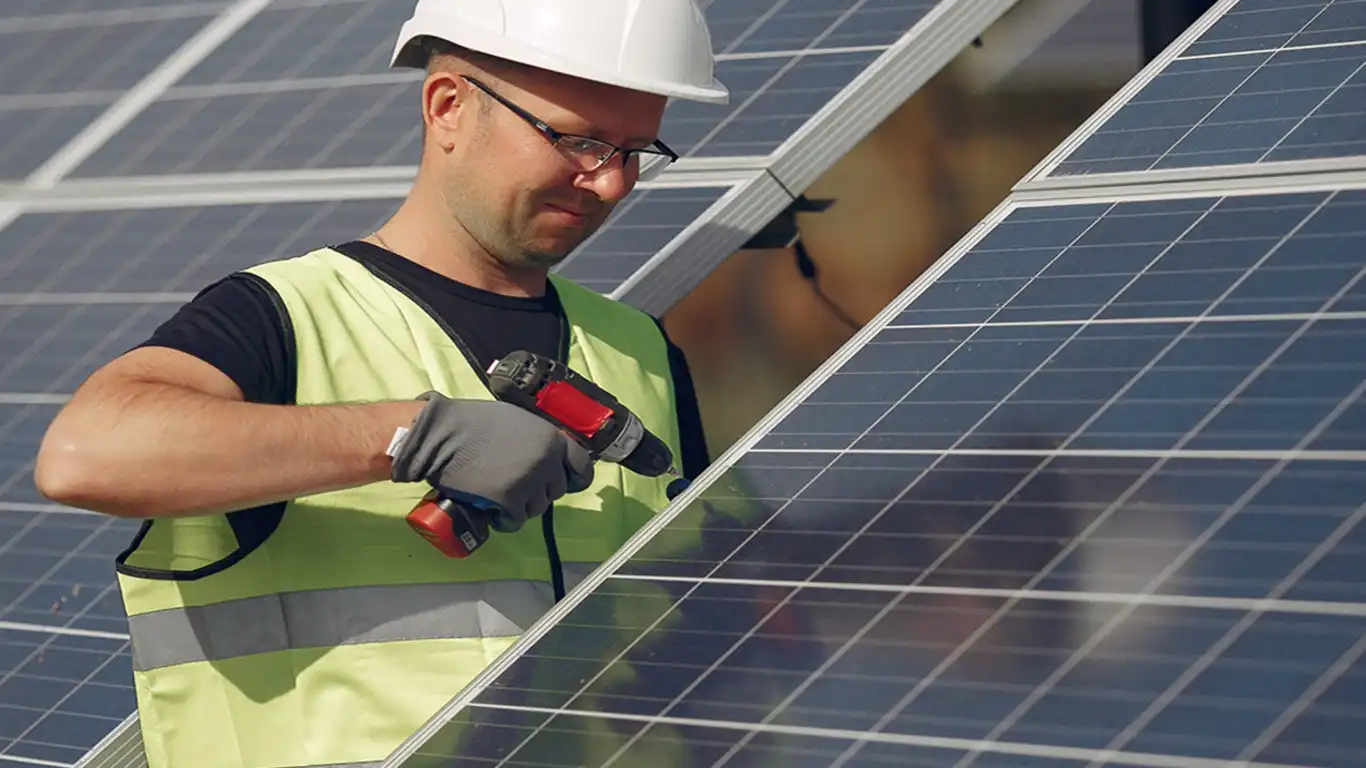
Consult with a professional to evaluate your site’s solar potential. Factors to analyse include:
- Sunlight exposure
- Roof angle and orientation
- Obstructions or shading issues
Step 3: Calculate ROI and Payback Period
Analyse the financial benefits by calculating the return on investment (ROI) and payback period for your solar installation. Take into account:
- Current electricity rates
- Solar energy production estimates
- Available incentives
Step 4: Explore Financing Options
Research and apply for grants, subsidies, or tax incentives. Many countries, including Ireland, offer financial support for commercial solar installations.
Industries That Benefit Most from Commercial Solar Panels
1. Manufacturing Facilities
High energy consumption during daylight hours makes solar power an ideal choice for factories and production plants.
2. Retail and Shopping Centres
Large roof spaces and significant electricity usage provide excellent opportunities for cost savings.
3. Hospitality Sector
Hotels and restaurants often have substantial energy needs, making solar power a sustainable and cost-effective solution.
4. Agriculture
Farms and agricultural businesses can use solar energy for irrigation, refrigeration, and other operations.
Overcoming Common Barriers to Solar Adoption
1. Initial Investment Costs
Solution: Leverage financing options such as grants, PPAs, and low-interest loans to make solar installations more affordable.
2. Lack of Knowledge
Solution: Partner with trusted solar providers who offer guidance throughout the process, from site assessment to installation and maintenance.
3. Regulatory Compliance
Solution: Work with experienced solar consultants who understand local regulations and permitting processes.
Conclusion
Determining whether your business is suitable for commercial solar panels requires careful consideration of your site, energy needs, and financial capacity. By taking proactive steps and leveraging available resources, your business can reap the benefits of solar energy, from cost savings to enhanced sustainability.
Contact us today to begin your solar journey and contribute to a greener future.