Key Takeaways
- Start saving energy with heating, hot water and large appliances.
- Habits like switching off lights, closing the fridge quickly and air-drying clothes cost nothing.
- LED bulbs and cylinder insulation usually pay for themselves within 6–24 months.
- Timers and smart controls keep your home efficient without losing comfort.
- Combining several tips over 12 months noticeably cuts your bill and carbon footprint.
1. Set Your Thermostat and Heating Controls Wisely
Space heating is usually the biggest part of an Irish energy bill.
- Lowering your thermostat by 1°C, say from 21°C to 20°C, can cut heating costs by up to 10%.
- Keep living areas at 19–21°C and bedrooms cooler.
- Use a smart thermostat to match your routine.
- Heat only the rooms you use and keep doors closed.
2. Swap to Energy-Efficient Light Bulbs and Cut Lighting Waste
LEDs are cheap and widely available, making lighting a quick win.
- LEDs use 80–85% less electricity than incandescent bulbs and last 10–12 times longer.
- Replace the most-used bulbs first, in the kitchen, living room and hall.
- Switch off when you leave a room, even for 5–10 minutes. See whether turning off lights (Link once live to URL: ‘Does Turning Off Lights Really Save Energy? Myths vs Facts’) really makes a difference.
3. Turn Appliances Off – Don’t Rely on Standby
Standby power can add 5–10% to annual electricity use. TVs, consoles, routers and chargers all draw it.
- Switch off at the wall, or use a standby-saver power strip.
- Unplug chargers when not in use.
- Modern electronics are built to be switched on and off without damage.
Find out when to unplug appliances (Link once live to URL: ‘Is It Better to Unplug Appliances? What Actually Saves Energy’).
4. Use Hot Water Efficiently and Insulate Your Hot Water Cylinder
Hot water is often the second-biggest energy use, especially with an electric immersion.
Insulation upgrades
- Fit a 75–80mm cylinder jacket. Replacing a thin one can cut water-heating costs by 20–30%.
- Add foam sleeves to exposed pipes.
Everyday hot water habits
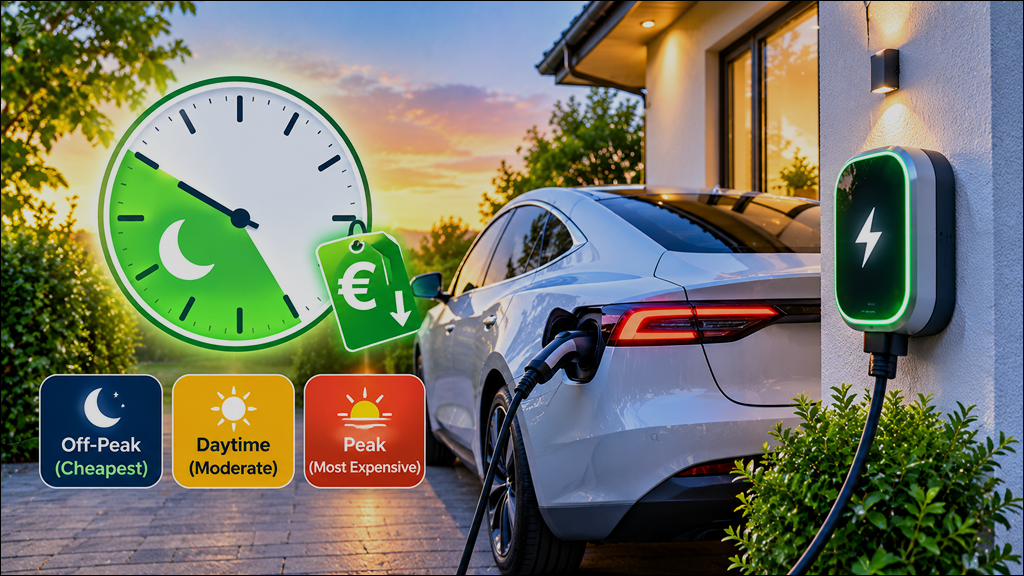
- Put the immersion on a timer rather than leaving it on.
- Fix dripping hot taps promptly.
5. Be Smart With Showers, Baths and General Hot Water Use
A bath can use several times more hot water than a short shower, so saving energy in the bathroom is easy.
- Keep showers to 4–10 minutes, using a timer or short playlist.
- Fit a water-saving showerhead where compatible.
- Don’t run the hot tap while brushing teeth or shaving.
6. Wash Laundry Cooler and Fuller
Washing machines use both electricity and hot water.
- Wash at 30–40°C.
- Run full loads, as half-loads use almost the same energy.
7. Dry Clothes Without the Tumble Dryer
Tumble dryers are among the hungriest appliances in the home.
- Line-dry or use indoor racks in a well-ventilated room.
- If you need the dryer, spin well first and clean the lint filter every time.
8. Mind the Fridge Door and Use Kitchen Appliances Efficiently
Fridges and freezers run constantly, so small gains last all year.
Fridge and freezer habits
- Decide what you need before opening the door.
- Set fridges to 3–5°C and freezers to −18°C, and keep seals clean.
Oven and hob energy use
- Keep the oven door shut, batch-cook and use a microwave or air fryer for small portions.
9. Turn Off Lights and Tackle Draughts Around the Home
Both make a big difference to winter comfort.
- Use a reading lamp instead of lighting a whole room.
- Seal gaps around windows, doors, letterboxes and floorboards with seals, excluders and brushes.
- Keep ventilation in rooms with open fires or open-flue appliances.
10. Do a Simple Home Energy Check and Plan Next Steps
Walk through your home and note where energy is used most, starting with the biggest energy wasters (Link once live to URL: ‘What Wastes the Most Energy in a House? Common Culprits Revealed’).
- Check: thermostats, cylinder insulation, bulbs, draughts and big appliances.
- Review: track your bill or smart meter for 3–6 months, then plan bigger upgrades.
For attic insulation, boilers and more, read our Ultimate Guide to Saving Energy at Home (Hub is also being published this month – confirm https://energyserv.ie/ultimate-guide-to-saving-energy-at-home/ is live before publishing).
FAQ
How quickly will I see a difference in my energy bills?
Use falls immediately, but savings show best over a one- to three-month billing cycle.
What are the best zero-cost ways to save energy at home?
Switch off lights and standby, shorten showers, boil only what you need and wash full loads.
Do I need to replace all my appliances to make my home energy efficient?
No. When an old one fails, choose an efficient model.
Is it worth investing in hot water cylinder insulation if I might move house soon?
Yes. It is cheap and usually pays back within a year or two.
Can smart thermostats and plugs really save money, or are they just convenient gadgets?
They save money when programmed well; on default settings, they are mostly convenience.