As energy costs rise and more Irish households look to renewable alternatives, many are asking whether solar panels can heat radiators. The answer is yes — with the right setup, solar energy can provide heat for radiators, either directly through solar thermal systems or indirectly using solar PV panels to power electric heating solutions. By integrating solar panels with central heating systems, homeowners can enjoy lower bills, reduce their reliance on fossil fuels, and cut their carbon footprint. This guide explains how it works, the types of solar panels available, and the benefits of solar-powered heating.
Understanding Solar Panels
How Solar Panels Work


Solar panels capture the sun’s energy and convert it into either electricity or heat. The two main technologies are:
-
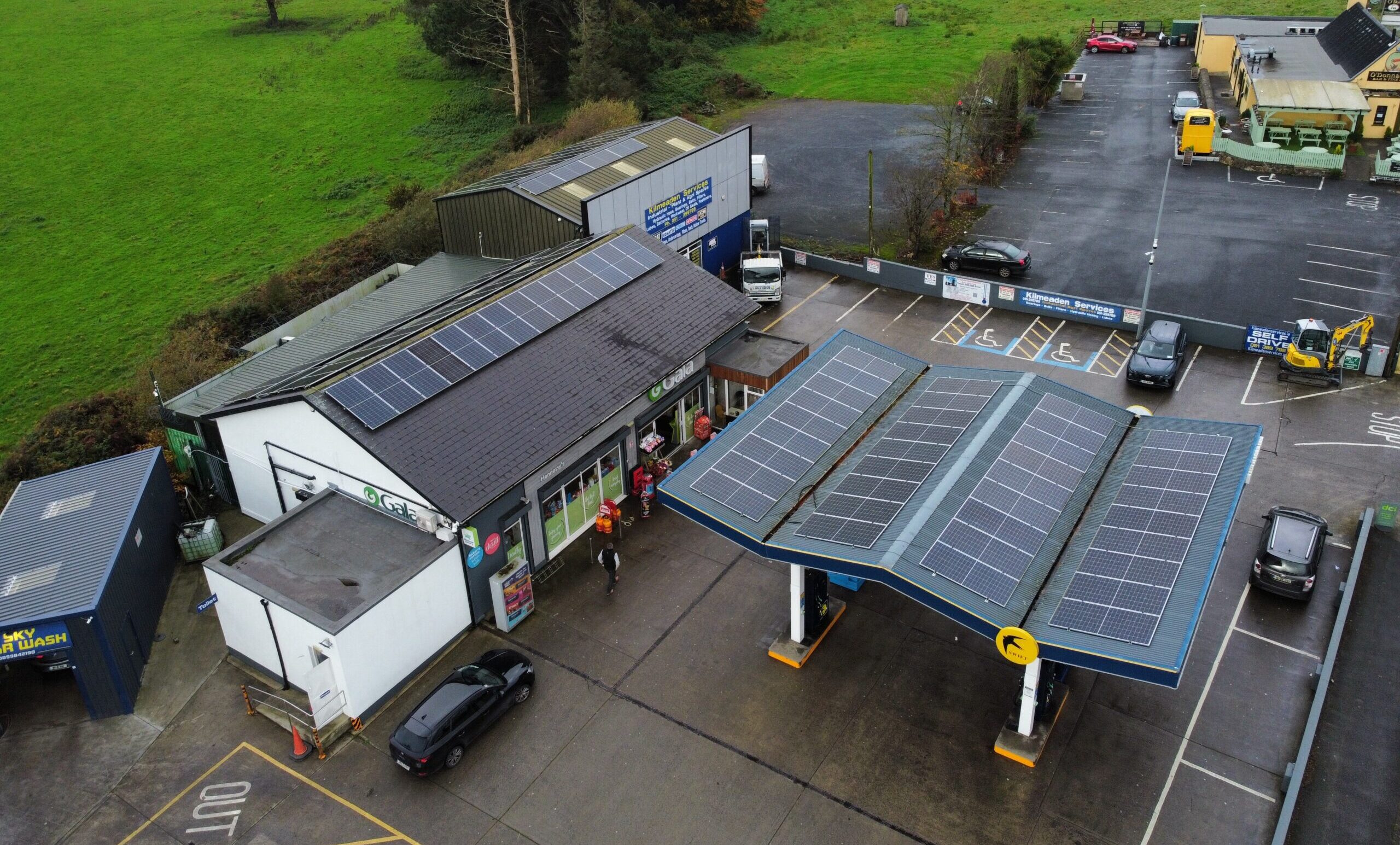
- Solar PV (photovoltaic) panels – These generate electricity using photovoltaic cells. The electricity can power electric radiators, boilers, or heat pumps, making them versatile for household heating needs.
-
- Solar thermal panels – These capture heat directly from the sun and use it to warm water. The hot water can be circulated through central heating systems, feeding radiators or underfloor heating.
The effectiveness of a solar heating setup depends on the size and type of system installed, the available roof space, and how much sunlight the property receives.
Types of Solar Panels for Heating
-
- Solar PV panels – The most common option, used primarily to generate electricity. When paired with electric radiators, boilers, or heat pumps, they can effectively heat living spaces.
-
- Solar thermal panels – Designed specifically for heating water, these are a strong choice for households that want solar-powered hot water and radiator heating.
-
- Solar collectors – A specialised type of thermal system, often used for applications such as swimming pool heating.
Most homeowners opt for solar PV because it can generate electricity for both heating and general household use, but thermal systems remain a good option for homes with high heating and hot water demand.
Integrating Solar Panels with Heating Systems
Central Heating Systems
Solar panels can be connected to traditional central heating systems in different ways:
-
- Solar thermal panels can feed hot water directly into a central heating circuit, helping to power radiators and underfloor heating.
-
- Solar PV panels can power electric boilers, which then circulate hot water through radiators.
This setup allows solar panels to reduce the demand on gas or oil boilers, cutting fossil fuel consumption while still maintaining reliable heating.
Heat Pumps
Heat pumps are another highly efficient option that pair well with solar panels:
-
- Solar PV panels can generate the electricity needed to run a heat pump, which then extracts heat from the air or ground and distributes it through radiators or underfloor heating.
-
- Solar thermal panels can pre-heat water for a heat pump, improving its efficiency.
When combined, solar panels and heat pumps create a renewable “double act” — solar electricity runs the pump, and the pump provides consistent heating throughout the home.
Solar Heating Solutions in Practice


So, how does this work in a real Irish home? A typical system might look like this:
-
- Solar PV panels generate electricity during the day.
-
- That electricity powers a heat pump or electric boiler.
-
- The heating system circulates hot water through radiators, delivering warmth to living spaces.
-
- Any excess solar energy can be stored in a battery or exported back to the grid under the Micro-generation Support Scheme (MSS).
Alternatively, a solar thermal system could supply hot water directly to the central heating system, reducing the workload of a conventional boiler.
Benefits of Solar Heating
Switching to solar heating brings several advantages:
-
- Lower energy bills – Using solar energy to power radiators reduces reliance on expensive grid electricity or fossil fuels. Typical Irish households can save €500–€800 annually.
-
- Carbon reduction – Heating is one of the largest sources of household emissions. Solar-powered heating cuts your carbon footprint significantly.
-
- Energy independence – By generating your own energy, you’re less exposed to rising fuel prices.
-
- Compatibility with grants and supports – SEAI grants can reduce the cost of installing solar PV (up to €1,800), and 0% VAT since May 2023 lowers upfront expenses. Heat pumps are also supported through SEAI schemes.
-
- Increased home value – Homes with renewable heating systems generally have higher BER (Building Energy Rating) scores, which can raise property value.
Challenges to Consider

While solar heating is promising, it’s not a one-size-fits-all solution. Consider the following:
-
- Initial investment – Solar thermal systems can cost €4,000–€6,000, while solar PV installations range from €6,000–€10,000 before grants.
-
- Seasonal performance – Solar energy output is highest in summer, but heating demand peaks in winter. Pairing with a battery or backup boiler is often necessary.
-
- Roof space and orientation – South-facing roofs with minimal shading deliver the best results. East/west orientations can still work but may require more panels.
-
- System integration – Connecting solar panels to existing radiators may require upgrades to boilers, inverters, or storage tanks.
A professional installer can assess your home’s suitability and recommend the right balance between solar PV, thermal panels, and complementary heating systems.
FAQs about Solar Heating
Can solar panels heat my home all year round?
Not on their own. Solar panels are most effective in spring and summer. For winter, most homes use solar in combination with a boiler, heat pump, or battery.
Is solar thermal better than solar PV for heating radiators?
Solar thermal is efficient for water heating but less flexible. Solar PV can heat radiators through electric systems and also power other appliances, making it more versatile.
Do I need planning permission to use solar panels for heating?
In most cases, no. Since October 2022, Irish homes can install unlimited rooftop solar panels without planning permission, except in conservation areas or safeguarding zones.
What grant support is available?
The SEAI Solar Electricity Grant provides up to €1,800 for solar PV. Heat pumps also qualify for grants under the SEAI Home Energy Upgrade Scheme.
Final Thoughts
So, can solar panels heat radiators? Yes — either directly with solar thermal panels or indirectly using solar PV to power boilers and heat pumps. While not a complete replacement for conventional heating in winter, solar heating can dramatically reduce bills, lower emissions, and future-proof your home. With grants, 0% VAT, and ever-improving technology, solar-powered heating is becoming a practical choice for Irish households looking to cut costs and embrace renewable energy.