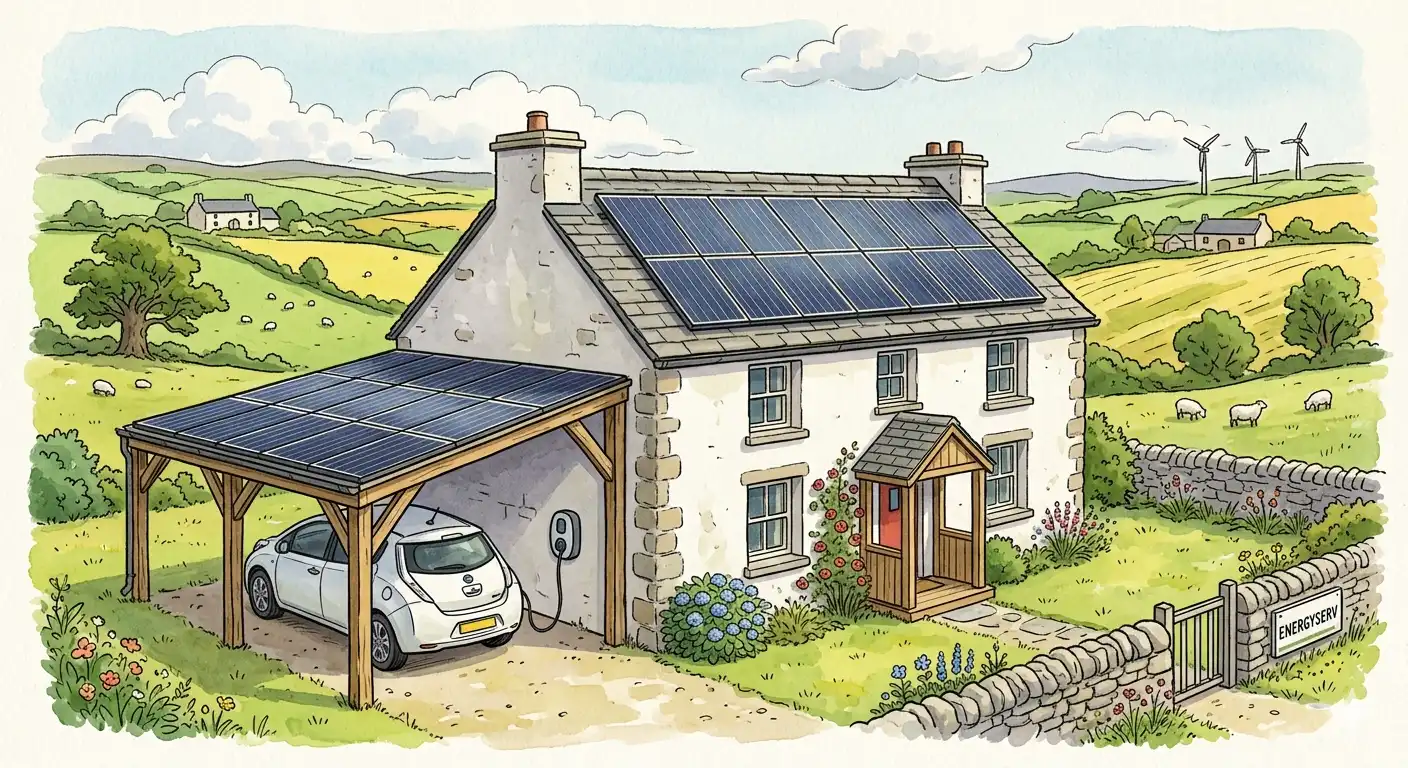
Introduction to SEAI Grants and Home Energy Upgrade
Solar panels have become one of the most popular home upgrades in Ireland, thanks to SEAI grants that reduce installation costs and make renewable energy more accessible. But solar isn’t the only improvement supported. The Sustainable Energy Authority of Ireland (SEAI) also provides funding for a variety of energy-efficient measures, including insulation, heating systems, and in some cases, window and door upgrades.
Windows and doors are a key part of a home’s thermal envelope. Older, single-glazed or poorly fitted units can allow significant heat to escape, making heating systems work harder and raising household bills. By replacing them with modern, triple-glazed, airtight alternatives, homeowners can cut heat loss, reduce carbon emissions, and boost their home’s Building Energy Rating (BER).
SEAI offers two main ways to access funding for window upgrades: through the One Stop Shop service, which supports whole-house retrofits, and through certain individual measures under the Better Energy Homes scheme. Understanding how these grants work, and whether windows are included, is essential for homeowners considering an upgrade.
Eligibility Criteria and Grant Payment
To qualify for SEAI grants, homeowners must meet specific conditions. These include:
- The property must be in the Republic of Ireland and built before a certain cut-off year (2011 for many upgrade measures, 2021 for solar PV).
- Applicants must provide a valid MPRN number from their electricity bill to confirm the property is connected to the grid.
- All works must be carried out by an SEAI-registered contractor to ensure standards are met.
For window and door upgrades specifically, eligibility is often linked to the One Stop Shop retrofit pathway, where households undertake a package of improvements rather than just a single measure.
How Payment Works
Grants are only paid once the upgrade is complete and verified:
- A technical assessment is carried out to evaluate the home’s energy performance.
- The works are completed by a registered contractor.
- A post-works BER assessment confirms the improvement.
- SEAI verifies documentation, and payment is made directly to the contractor (if using a One Stop Shop) or reimbursed to the homeowner.
Grant amounts depend on the type of upgrade and the costs involved, but for windows and doors, the support can significantly reduce the financial burden.
Types of Windows and Doors Covered
SEAI’s grant support applies to energy-efficient replacement windows and doors that meet strict performance standards. This means the upgrades must achieve a specific U-value (a measure of heat loss), ensuring that only high-performing products qualify.
Options covered include:
- Triple-glazed windows designed to minimise heat loss.
- High-performance doors that improve airtightness and insulation.
- Full replacement of old, inefficient units rather than partial repairs.
The exact grant amount depends on the type and cost of the upgrade, but the aim is to make these improvements more financially accessible. By upgrading to SEAI-approved windows and doors, homeowners can expect reduced heating costs and greater comfort.
Applying for SEAI Grants and Managing the Project
There are two main routes for applying for SEAI grants:
1. One Stop Shop Service
Under this option, a One Stop Shop provider manages the entire process, from the initial energy assessment to the final payment. They:
- Prepare the grant application.
- Submit the required paperwork to SEAI.
- Receive the grant payment directly.
This is the easiest route for homeowners who want a whole-house retrofit, which often includes windows, insulation, heating upgrades, and solar panels in a single project.
2. Homeowner-Managed Projects
Homeowners can also choose to manage the process themselves under certain SEAI schemes. In this case:
- The homeowner applies directly through the SEAI website.
- They must ensure their chosen contractor is SEAI-registered.
- They are responsible for managing quotes, contracts, and paperwork.
While this gives more control, it also requires more time and attention from the homeowner.
Benefits of Upgrading to Energy Efficient Windows
Replacing outdated windows with energy-efficient alternatives delivers several benefits:
- Lower energy bills: Triple-glazed windows reduce heat loss, meaning less energy is needed to maintain a comfortable indoor temperature.
- Improved comfort: Airtight, insulated windows eliminate draughts and cold spots.
- Reduced carbon footprint: Using less energy helps lower household emissions, contributing to national climate goals.
- Higher BER rating: A better energy rating can increase property value and make the home more attractive to buyers.
For some households, there is even additional support available. The Better Energy Warmer Homes Scheme offers fully funded upgrades — including insulation and sometimes window replacements — for eligible homeowners receiving certain social welfare payments.
Individual Energy Upgrade Options
Not every homeowner is ready to take on a full retrofit. SEAI also allows applications for individual energy upgrades, though window replacements are usually packaged with broader measures.
Individual upgrades include:
- Cavity wall insulation
- Attic insulation
- Heat pumps
- Solar PV panels
These measures can be applied for directly and provide a stepping stone toward a full retrofit. While windows are most often supported under the One Stop Shop model, combining them with insulation or heating upgrades can create a more complete solution and unlock greater grant support.
Final Thoughts
So, are windows included in SEAI grants? Yes — but mostly as part of a full-home energy upgrade through the One Stop Shop pathway. Homeowners who want to replace old windows with modern, triple-glazed alternatives can access grant support if the work is done by SEAI-registered contractors and meets energy performance standards.
By upgrading windows alongside insulation, heating systems, and solar panels, households can maximise energy savings, improve comfort, and benefit from significant financial support.