Energy bills in Ireland have climbed sharply in 2026, with the average household now facing combined electricity and gas costs of well over €3,300 a year now that pandemic-era credits have ended and network charges have risen. The good news is that most of that bill is within your control, whether through free daily habits, smarter heating and hot water use, or longer-term investments such as insulation and solar panels for homes.
Key Takeaways
- Heating, hot water and appliances use the most energy at home, so they offer the largest savings on your electricity and gas bills – start there first.
- Simple behaviour changes, such as shorter showers, switching off standby, and turning the thermostat down by 1°C, can cut a typical household’s annual bill by hundreds of euro.
- Upgrading to energy-efficient tech – LED bulbs, A-rated appliances, smart thermostats and better hot water cylinder insulation – delivers savings that keep paying off for years.
- Combining quick fixes (draught-proofing, better light control) with home improvements (insulation, double glazing, heat pumps or solar) maximises your home’s overall energy efficiency.
- This guide works as a hub: short explanations on every topic here, with links through to more detailed guides as you go.
How to Reduce Your Energy Use and Lower Your Bills
As of 2026, the average Irish household pays around €1,800 a year for electricity and roughly €1,400 a year for gas – a combined bill of well over €3,300, now that universal electricity credits have ended and network charges have risen. Cutting energy use at home isn’t just about cost, either: it also lowers your household’s carbon footprint as Ireland works towards its 2030 climate targets. The good news is that heating and hot water typically account for 60–80% of total home energy use, so even modest improvements here can make a real dent in your bill.
- Turning your thermostat down by just 1°C can cut heating costs by up to 10% over a heating season.
- Swapping your remaining halogen or incandescent bulbs for LEDs can save a typical home roughly €30–€50 a year on lighting alone.
- Cutting shower time from around 8 minutes to 4 minutes can save a similar household €50–€100 a year on water heating, depending on whether the shower is gas or electric.
- This guide covers heating and hot water, lighting, appliances, smart home tech, and bigger structural upgrades, signposting more detailed guides on each topic as you go.
Our Best Energy Saving Tips and Quick Wins
These are the highest-impact, lowest-effort changes most Irish households can make this week, before considering any bigger spending.
- Switch every remaining halogen or incandescent bulb for an LED: roughly €30–€50 a year saved on lighting for a typical 3-bedroom home.
- Turn appliances off at the wall instead of leaving them on standby: roughly €30–€70 a year back in your pocket, depending on how many devices you have.
- Cut shower time and fix dripping hot taps: commonly €50–€100 a year saved on water heating.
- Wash clothes at 30°C instead of higher temperatures and run full loads: typically €20–€40 a year saved on laundry energy.
- Avoid overfilling the kettle and use lids when cooking: small habits that still add up to €10–€20 a year.
- For the full ranked list with more detail on each one, see our guide 10 Easy Ways to Save Energy at Home.
- Combined, these quick actions can save a typical household several hundred euro a year without any major home upgrades.
Heating and Hot Water: The Biggest Opportunities
Heating and hot water are usually the largest single share of a home’s energy use and bill, especially in Irish homes still relying on a gas or oil boiler.
- A well-managed thermostat and timer setup, plus smart heating controls, can typically reduce heating costs by 10–15% without any loss of comfort.
- Setting sensible daytime and night-time temperatures, and avoiding heating empty rooms, stops energy being wasted on spaces nobody is using.
- Boiler timers and thermostatic radiator valves let you direct heat to where and when it’s actually needed, rather than heating the whole house uniformly.
- Hot water deserves the same attention as space heating: cylinder temperature, insulation, and only heating what you’ll actually use all affect your bill.
- See our separate guides on home heating tips, smart heating controls, and efficient hot water use for a deeper dive into each.
Using Thermostats and Controls Wisely
Heating controls range from a basic room thermostat to a fully smart system you can adjust from your phone, and the right setup depends on your home and routine.
- A steady, moderate temperature is more efficient than letting the house cool right down and then blasting the heat back up, since reheating from cold uses more energy than maintaining a stable temperature.
- Turning the thermostat down from 21°C to 20°C typically saves up to 10% on heating costs over a winter, with no noticeable loss of comfort for most households.
- A simple weekday schedule might pre-heat the home 30–60 minutes before you wake, hold a comfortable daytime temperature, then drop a few degrees overnight; weekends can shift later if your routine differs.
- Thermostatic radiator valves let you keep spare rooms or rarely used spaces a little cooler while keeping living areas and bedrooms comfortable.
Hot Water Cylinder and System Efficiency
A hot water cylinder stores heated water for use throughout the day, and an older, poorly insulated cylinder can lose a surprising amount of that heat through the tank surface.
- Topping up an older cylinder with a modern 75–80mm lagging jacket that meets current standards is one of the cheapest ways to cut standing heat loss.
- Upgrading cylinder insulation and lagging the hot water pipes in your airing cupboard or loft can together save a typical household somewhere in the region of €30–€50 a year.
- Setting the cylinder thermostat or immersion heater to around 60–65°C balances energy efficiency with safety and legionella protection; going much higher just wastes energy.
- Use a timer so the cylinder only heats water when it’s needed, rather than leaving an immersion heater running in the background all day.
Smarter Hot Water Use Every Day
Small daily habits around hot water add up just as much as the equipment itself.
- Cutting an 8-minute shower down to around 4 minutes can save a typical household roughly €50–€100 a year, more for larger families or electric showers.
- Showers use up to 80% less energy than baths, so swapping a bath for a shower where practical, and turning taps off while brushing teeth, both cut wasted hot water with no loss of comfort.
- Only heat the water you actually need: don’t overfill the kettle, and use the right pan size with a lid on when cooking to cut both time and energy.
- Low-cost gadgets like efficient shower heads and tap aerators reduce hot water flow without making the shower feel weaker.
- These habits cut both your water bill and your energy bill, and the saving is biggest for homes with electric showers or electric immersion cylinders.
Lighting: Small Changes, Big Savings
Lighting used to be one of the biggest electricity loads in an average home; LED bulbs have changed that almost completely.
- Replacing all remaining halogen or incandescent bulbs with LEDs can cut lighting electricity use by up to 80–90%, often paying back the cost of the bulbs within a year.
- When choosing LED bulbs, look at lumens rather than watts to judge brightness, pick a warm or cool colour temperature to suit the room, and check the fitting matches your existing fixtures.
- Get into the habit of turning lights off when leaving a room, particularly in hallways, bathrooms and bedrooms where lights are often left on out of habit.
- Motion sensors or smart lighting controls are a worthwhile optional upgrade for high-traffic areas like hallways and porches, where lights are easily forgotten.
- For a closer look at the evidence behind this advice, see our guide Does Turning Off Lights Really Save Energy? Myths vs Facts for July.
Appliances and Gadgets: Cutting Everyday Electricity Use
Modern homes use a growing share of their electricity on appliances, entertainment and IT equipment, much of it left running or on standby when nobody is using it.
- “Standby” or “vampire” power refers to the electricity many devices draw even when switched off but still plugged in, from TVs and games consoles to phone chargers and set-top boxes.
- Switching devices off fully at the wall, or using a standby saver plug for groups of devices, removes this hidden drain.
- For a closer look at whether it’s worth the hassle, see our guide Is It Better to Unplug Appliances? What Actually Saves Energy for July.
- When an old appliance eventually needs replacing, choosing an A-rated or better model meaningfully lowers your running costs for the rest of its life, even if the upfront price is a little higher.
Laundry: Washing Machines and Tumble Dryers
- Wash at 30°C where possible; modern detergents are formulated to work well at lower temperatures, so you rarely need to wash hotter.
- Run full loads rather than frequent half loads, since a washing machine uses nearly as much energy and water for a half load as a full one.
- Use eco or shorter cycles for lightly soiled items, and avoid unnecessarily high spin speeds or temperatures for everyday laundry.
- Line-dry or use an indoor airer whenever the weather and space allow – a tumble dryer is one of the most energy-intensive appliances in the home, and limiting its use can save €50–€100+ a year.
- Clean the filters on both your washing machine and tumble dryer regularly, since a clogged filter forces the appliance to work harder and use more energy.
Kitchen Appliances: Ovens, Hobs, Kettles and Dishwashers
- Ovens are energy-intensive, so batch cook where you can, keep the door closed while it’s running, and use the residual heat at the end of cooking to finish dishes.
- For reheating or small meals, a microwave, air fryer or pressure cooker is usually far more energy efficient than heating a full-size oven.
- Boil only the amount of water you need in the kettle, descale it regularly, and keep the lid on while it’s boiling.
- Run the dishwasher only with full loads, use eco modes and lower-temperature cycles where available, and let dishes air-dry instead of using a heated drying cycle.
- Match pot and pan sizes to the hob ring you’re using and keep lids on while cooking, since this reduces both cooking time and energy use.
Fridges, Freezers and Always-On Devices
- Keep your fridge around 2–3°C and your freezer around –15°C; colder than this wastes energy without any real food safety benefit.
- Defrost older freezers regularly and check door seals for gaps, since both ice build-up and a poor seal force the compressor to work harder.
- Position fridges and freezers away from ovens and radiators, and leave space behind them for air to circulate, helping them run more efficiently.
- When an old, inefficient fridge-freezer eventually fails, replacing it with a modern A-rated model is usually one of the better-value appliance upgrades you can make.
- Routers, set-top boxes and other always-on gadgets can often be turned off, or scheduled off overnight, where it’s safe and practical to do so.
Smart Home and Simple Energy-Saving Tech
Affordable smart home devices can help you monitor, control and reduce energy use without sacrificing comfort.
- Smart thermostats let you control heating and hot water from your phone, set schedules around your actual routine, and see patterns in your usage over time.
- Smart plugs or power strips can turn multiple devices fully off together when not in use, or switch off automatically on a timer.
- A smart meter with an in-home display gives real-time feedback on your electricity and gas use, one of the most effective ways to encourage lasting behaviour change.
- Start with one or two key upgrades, such as a smart thermostat or smart lighting, rather than trying to automate everything in the house at once.
Choosing and Using Energy Efficient Gadgets
- When an old monitor, laptop or TV needs replacing, choosing a more energy-efficient model usually pays for itself over its lifetime through lower running costs.
- A laptop is generally far more energy efficient than a desktop computer for everyday home working, since it’s designed to sip power from a battery.
- Enable power-saving modes, set a short screen sleep timer, and use automatic shutdown settings on computers and TVs rather than leaving them idle.
- A smart power strip in a media centre or home office cuts standby power from several devices at once with a single switch.
- Simple, low-tech extras like draught excluders, radiator reflector panels and window film also count as worthwhile “gadgets,” often with a payback time of months rather than years.
Home Improvements: Insulation, Glazing and Bigger Upgrades
Once the quick wins are in place, bigger projects like insulation and better glazing deliver deeper, longer-lasting savings, though they come with a higher upfront cost.
- Insulation priorities usually run in this order: loft or attic first, then cavity or solid walls, then floors, since each affects heat loss and comfort differently.
- Moving from single to double or triple glazing improves both energy efficiency and noise reduction, which matters most for homes near busy roads.
- Renewable and low-carbon options such as solar PV, solar hot water and heat pumps play an increasingly important role in long-term savings as electricity and gas prices stay high.
- SEAI grants currently support most of these upgrades, including insulation, windows and doors, heat pumps and solar PV, so it’s worth checking current 2026 grant amounts before you budget for any of this work.
Insulation and Draught Proofing
- Insulation is generally the single most cost-effective structural improvement you can make to reduce heating energy use, particularly for an under-insulated attic.
- Current Irish guidance recommends attic insulation of around 270–300mm; check your existing depth, since many older homes have far less than this.
- Cavity wall fill suits most homes built between the 1930s and early 2000s, while solid-walled homes (often older) need internal or external wall insulation instead.
- Simple draught-proofing, such as sealing gaps around windows, doors, loft hatches and unused fireplaces, is inexpensive and delivers a noticeable comfort improvement almost immediately.
- Keep some ventilation in place, especially in kitchens, bathrooms and rooms with gas appliances, to avoid trapping moisture and causing damp or condensation once a home becomes more airtight.
Windows, Doors and Glazing
- Double and triple glazing both outperform single glazing on thermal performance, comfort and noise reduction, with triple glazing offering the biggest (though more expensive) step up.
- Look at a window’s U-value when comparing products: a lower U-value means less heat escapes through the glass and frame.
- For renters or tight budgets, secondary glazing film or removable magnetic secondary glazing panels offer a low-cost interim improvement over full replacement.
- Upgrading external doors, and adding an insulated door to colder spaces like a garage or porch, reduces heat loss in areas that are often overlooked.
- Glazing is best viewed as a medium- to long-term investment, justified as much by comfort, noise reduction and security as by the energy savings alone.
Low-Carbon Heating and Solar
Air-source and ground-source heat pumps extract heat from the outside air or ground rather than burning fuel directly, which is why they can be considerably more energy efficient than a traditional gas or oil boiler.
- Heat pumps work best in well-insulated homes running a low-temperature heating system, which is why insulation upgrades are usually done first, or alongside, a heat pump installation.
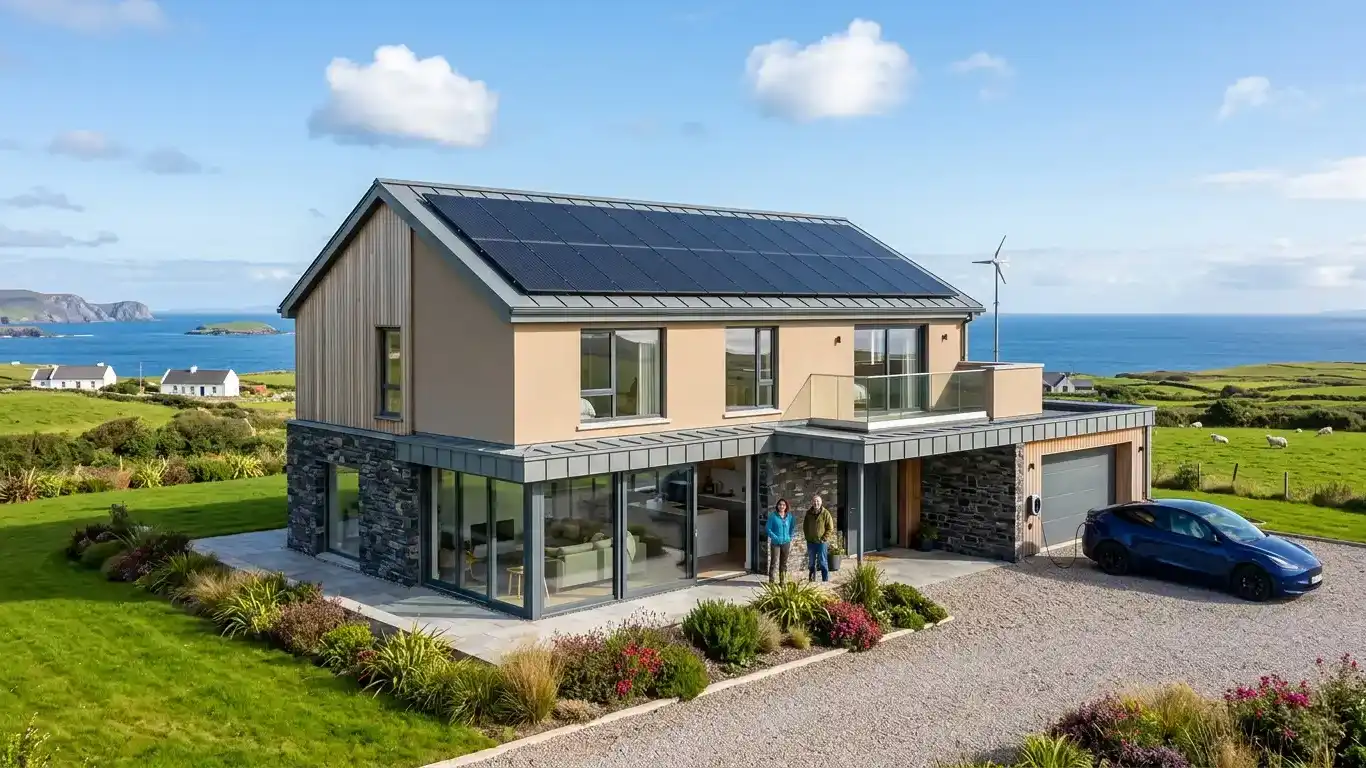
- Solar PV panels generate your own electricity for use in the home, while solar thermal systems heat water directly; both reduce how much energy you need to import from the grid.
- Looking into residential solar panels is worth it for many Irish properties in 2026, especially when combined with the SEAI Solar PV Grant and 0% VAT on installation.
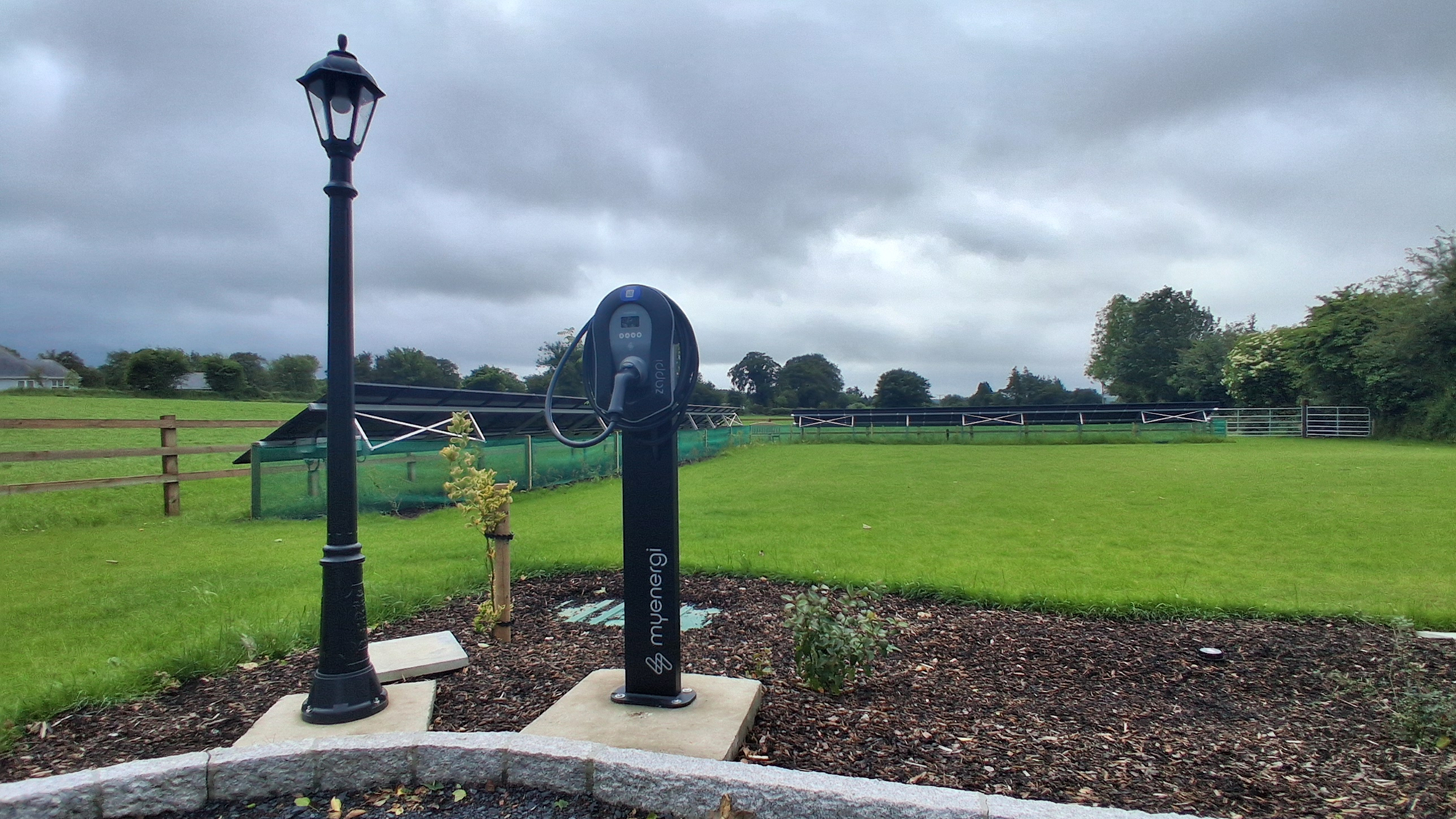
- Excess solar electricity can be diverted to heat your hot water cylinder via an immersion diverter, or used to charge an electric vehicle, squeezing extra value out of the same panels.
- Check current 2026 SEAI grants and incentives for heat pumps and solar before budgeting, since support levels and eligibility rules are reviewed and adjusted periodically.
Working From Home and Lifestyle-Related Energy Use
More people working from home since 2020 has shifted a meaningful share of energy use from offices into households, increasing electricity and heating bills.
- Set up an efficient home office: choose lower-power equipment, use natural light where possible, and heat only the room you’re working in rather than the whole house.
- Working from home usually adds to household energy use but can offset commuting costs and emissions, so it’s worth weighing the full picture rather than focusing on the electricity bill alone.
- In everyday living spaces, turn off TVs and consoles when not in use, keep heating modest in rarely used rooms, and use task lighting (a desk lamp) instead of lighting an entire room.
- Travel choices – car versus public transport versus walking or cycling – also form part of an overall personal energy and carbon footprint, alongside what happens inside the home.
Understanding Your Home’s Energy Use
Tracking what you actually use makes it much easier to see whether your changes are working.
- Check your bills, smart meter app or online dashboard regularly to see how your usage responds to the changes you make.
- Learn to read basic data from your electricity and gas meter, or your smart meter, to spot trends and identify your highest-usage periods.
- Do a simple room-by-room “walk-through audit” of your home, checking for wasted heat, lights left on, and appliances left running on standby.
- A plug-in energy monitor on individual appliances can reveal which devices use far more electricity than you’d expect.
- Set a realistic monthly energy reduction goal and review your progress every 3–6 months rather than expecting an instant transformation.
What to Do Next
- Start with heating and hot water controls, switch to LED bulbs, cut standby power, and tighten up appliance habits – the priority steps for most households.
- Pick 3–5 actions you can put in place this week, then plan one or two bigger improvements, such as insulation or a heat pump, over the next year.
- Build a simple household checklist and review it at the start and end of each heating season, so good habits don’t quietly slip.
- Remember that a more energy-efficient home is usually warmer, quieter and healthier too, not just cheaper to run.
- This guide is designed as a hub: explore the linked deep-dive guides on quick wins, lighting, and appliances above for more detail on each topic.
FAQ
What are the first three changes I should make to cut my bills quickly?
- Turn your thermostat down by 1°C, switch every remaining bulb to LED, and turn appliances fully off at the wall instead of leaving them on standby.
- Together, these three changes alone can often save a typical household a meaningful amount over a year, for little cost or disruption.
- Make all three changes in the same week, then check your next bill or smart meter data to see the impact.
How do I know if my hot water cylinder needs more insulation?
- Your hot water cylinder is usually in an airing cupboard; check the thickness and condition of its jacket or foam insulation.
- If the metal surface feels noticeably warm to the touch, or the insulation looks thin (under roughly 75–80mm) or damaged, extra insulation is likely worthwhile.
- Modern factory-insulated cylinders are usually already well insulated, but older copper cylinders often benefit from an additional jacket.
Is it worth replacing working appliances just to save energy?
- In most cases it’s more cost-effective to keep using an appliance until it fails, then choose the most energy-efficient replacement within your budget.
- The main exceptions are very old, inefficient fridges, freezers, or halogen lighting, which run constantly and can sometimes be worth replacing early.
- Compare estimated running costs and energy labels when planning a replacement to work out whether an early upgrade actually makes financial sense.
Can I save more energy by turning the heating off in unused rooms?
- Turning heating down in rarely used rooms can save energy, but turning it off completely in cold weather risks damp or mould developing.
- Set thermostatic radiator valves in spare rooms to a lower setting rather than fully off, keeping some background warmth in the space.
- Keep doors closed to cooler rooms so you’re not drawing heat away from the spaces you’re actually using.
Do small actions like turning off lights really make a difference?
- Yes – each individual action seems small, but turning off lights and unplugging devices adds up over time, especially in larger homes or families.
- Combined with bigger measures like insulation or a smart thermostat, these habits help lock in savings and keep bills lower year after year.
- Building these actions into your daily routine so they become automatic is the easiest way to make the savings stick.